
Reviewed · FOOD & DRINK
Papeete Food Tour
Papeete’s best introduction may begin with a bowl of poisson cru, raw fish dressed with coconut milk, lime, and local flavor. This 3.5-hour walking tour uses food as your map, moving from a typical breakfast to market stalls, small eateries, and local shops while Orama explains the people and traditions behind each taste.
I like the small group size, capped at six, and the way the food is tied to daily life rather than served as a string of fancy samples. I also like that Orama adds old photographs, personal stories, and practical suggestions for places to eat later in your stay.
The main drawback is dietary range. This tour is not suitable for vegetarian, vegan, or gluten-free diets, and you should arrive ready for fish, coconut, bread, dairy, and other ingredients served in local dishes.
Key points to know before booking
- At least 10 tastings: Expect both sweet and savory food, with portions designed to let you keep eating through the morning.
- A true walking introduction to Papeete: The route links the market, cathedral, shopping areas, cafés, and small food stops.
- Orama leads the experience: She is a Papeete native who shares local stories, historical images, and food recommendations.
- A maximum of six people: The compact group makes it easier to ask questions and keep a relaxed pace.
- Breakfast starts the day: Coffee, coconut milk, and a fresh baked item may come before the fish, snacks, and sweets.
- $129.97 per person: The cost is fair if you value a meal’s worth of tastings, a guided city walk, and useful advice for the rest of your trip.
Why this food tour works so well in Papeete
Papeete can feel easier to understand once you know where its food comes from. Polynesian traditions, French cooking, Chinese influence, island produce, seafood, and modern snack culture all meet in the city. This tour gives you a practical way to see those connections instead of treating Papeete as a quick stop before heading to another part of Tahiti.
The morning begins at 8:30 a.m. near Terre de Vigne on Rue Paul Gauguin. From there, Orama leads you on foot toward the first food stop and then through the city center. The tour ends at Papeete Market, a useful location if you want to continue shopping, catch a taxi, or explore on your own.
I especially like the timing. Morning is when the market is most useful for seeing produce, flowers, prepared food, and local activity. You also finish early enough to keep your afternoon free for another part of Tahiti.
This is not a formal restaurant meal with one seated course after another. It is a series of small portions at cafés, market counters, family-run places, and other local stops. You may eat at several venues, with more tasting points inside the market itself.
More food tours in Tahiti:
- Papeete Food & City Tour
★ 5.0 · 59 reviews - Moorea Street Food Tour
★ 5.0 · 410 reviews - Bora Bora Gourmet Odyssey – Food Tour
★ 5.0 · 15 reviews
Starting with breakfast and local flavor
The opening breakfast sets the tone. You may begin with coffee, coconut milk, and a fresh baked treat before moving into more distinctly Tahitian flavors. That first stop gives you time to meet the guide and learn how the morning will work.
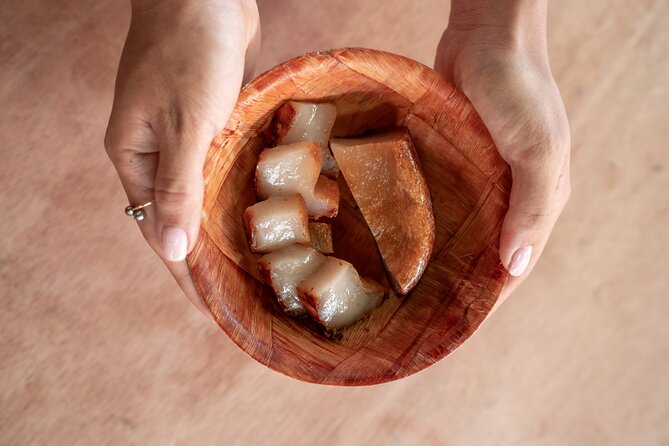
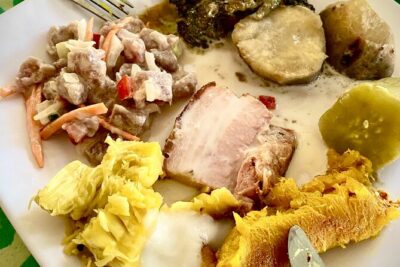
Poisson cru is one of the key foods to expect. The dish is often a useful introduction for anyone who has not tried raw fish prepared in a Polynesian style. The coconut milk softens the sharpness of the lime and adds a creamy texture, making it a different experience from raw fish served in Japanese or European cooking.
Orama explains the foods as you go, including how local ingredients fit into everyday meals. The value here is not just tasting something new. You learn what to look for when ordering later, how dishes are prepared, and which flavors connect to Tahitian life.
The portions are generally small enough to prevent you from getting full too soon. Even so, this is a food-heavy morning. If you have a large breakfast before meeting the group, you may not have enough appetite for the full range of samples.
Papeete Market: the heart of the morning
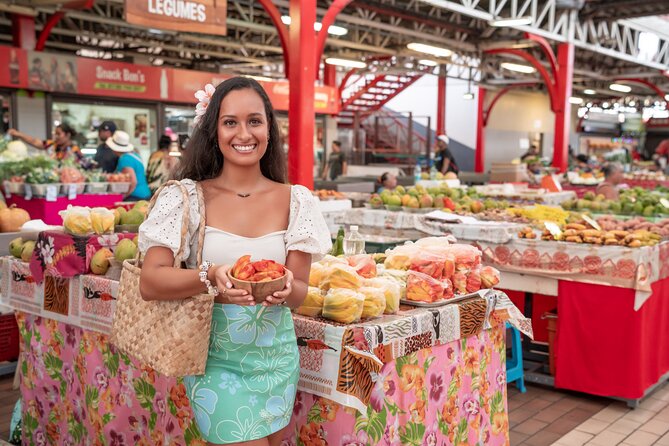
The largest part of the route is Papeete Market, where you spend about 90 minutes. This is more than a quick photo stop. You pass flower stands, craft tables, jewelry counters, fruit and vegetable aisles, and windows serving prepared food.
The market gives you a useful look at how food and shopping work in the city. You can compare raw ingredients with finished dishes, see local products up close, and ask questions that are harder to answer during a standard sightseeing walk.
The food tastings here may include familiar ingredients prepared in unfamiliar ways. Coconut can appear as a drink, a baked treat, part of a dessert, or an ingredient paired with fish. You might also try banana crepes, coconut sweets, fish fritters, seafood dishes, or a fish burger with an unexpected topping.
One particularly useful feature is the chance to return later. Once you know the layout, you can come back to buy fruit, snacks, crafts, or small gifts without feeling lost. The market is also a practical place to continue your own day after the tour ends.
The market can be busy and crowded at points, so do not expect a quiet, private tasting room. The reward is the setting itself. You are eating in the center of ordinary Papeete life, with the sights and smells of the market around you.
Chinese and French Polynesian connections
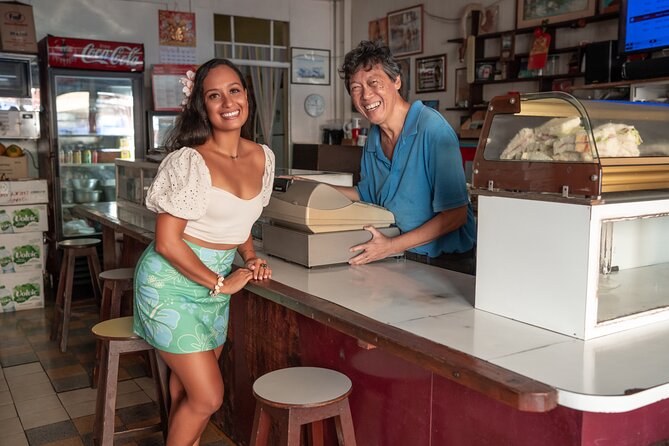
The stop at the Association Philanthropique Chinoise lasts about 20 minutes and adds important context. French Polynesia’s food culture is not one single tradition. Chinese communities have shaped local cooking, business, family life, and the food available in Papeete.
This stop helps explain why a morning of eating may move from Polynesian raw fish to French-style baked goods, Chinese-influenced dishes, and modern snacks without feeling out of place. Papeete’s food identity comes from these overlapping influences.
Orama’s own background makes this part especially useful. She presents Tahiti through several cultural lenses and connects food to personal stories and local customs. She may also use historical photographs to show how the city has changed over time.
That personal approach is one reason the tour feels different from a basic list of restaurants. You are not simply told what a dish contains. You hear why it matters, how it fits into the city, and what it says about the people who live there.
A few more Tahiti half days to weigh up
- 5 Hours Tahiti Island Tour – West and East Coast
★ 5.0 · 1,020 reviews - Crossing Island of Tahiti 4×4 Mountain, Waterfall, River, Basins
★ 4.5 · 532 reviews - Découvrez le Mana durant la traversée de Tahiti en 4×4 Safari
★ 5.0 · 456 reviews - Unique Tahiti Tour – personalised, small group east coast tour
★ 4.5 · 314 reviews
The cathedral and PK 0

The walk passes Papeete Catholic Cathedral, located at PK 0. The marker refers to the point from which distances on Tahiti are measured, giving the site more meaning than a quick architectural stop might suggest.
You spend about 20 minutes here. It is not a long cathedral visit or a dedicated religious tour. Instead, it is a short pause that connects Papeete’s streets to the island’s system of roads, distance markers, and civic memory.
This is the kind of detail that makes the walking route worthwhile. Food provides the main subject, but the stops help you understand where you are. By the time you reach the market, you have more than a collection of tastes. You have a clearer mental picture of central Papeete.
Fare Tony and Vaima Shopping Centre
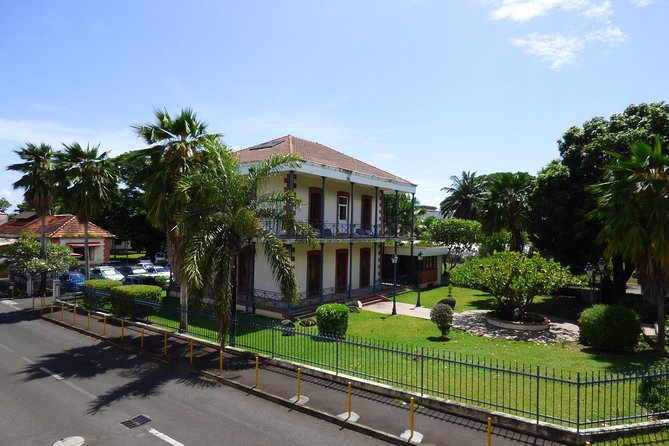
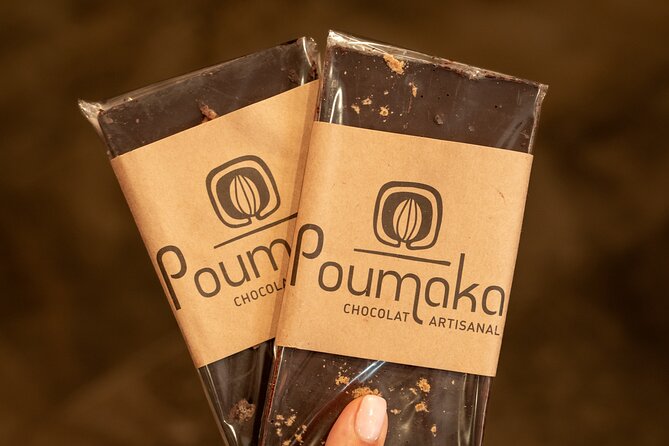
Fare Tony Center is a commercial gallery where you can learn more about products made in Polynesia and the flavors the islands produce and export. The visit lasts about 30 minutes and adds a more modern side to the tour.
This stop can be useful if you are curious about local products beyond fresh food. It also helps show how Polynesian ingredients move from home kitchens and market stalls into packaged goods and commercial shops.
The tour then continues to Vaima Shopping Centre for another 30-minute walk and tasting period. These two shopping areas may feel less atmospheric than the market, but they broaden the picture. Papeete is not only an old market and a few traditional dishes. It also has contemporary food businesses and products aimed at a wider market.
Because this is a walking route, you can expect changes in pace. Some stops involve eating or sitting, while others involve moving through commercial areas and listening to the guide. The schedule is planned for roughly three and a half hours, but the exact rhythm can change based on the group and the food stops.
What you are likely to taste

The tour promises a minimum of 10 tastings, and the food list is varied. Exact samples can change, but the experience may include:
- Poisson cru, raw fish with coconut milk
- Coffee and coconut milk
- Fresh baked goods
- Fish fritters or fish beignets
- Fish burgers
- Banana crepes
- Coconut-based sweets
- Local desserts
- Seafood dishes
- Modern street food
- Local rum or other island products, depending on the stops
The range matters more than any single dish. You get a chance to compare breakfast food, savory snacks, seafood, sweets, and drinks in one morning.
Some tastes may be familiar in basic form but new in preparation. Coconut, banana, fish, and bread are not rare ingredients, yet the Tahitian versions can feel quite different from what you know at home. That makes the tour a good choice for curious eaters who want an introduction without committing to a full plate of an unfamiliar dish.
Food is included, along with bottled water and the guide. You should not count on the tastings as a substitute for every meal of the day, but the quantity is substantial enough that you will want to keep lunch light or eat later.
The guide and the small-group feel
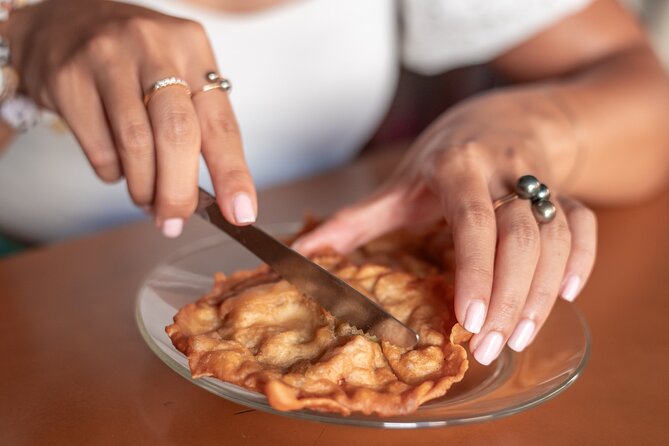
Orama is the central reason this experience feels personal. She was born in Papeete and presents the city through her own connection to Tahiti. Her explanations cover food, family traditions, local history, cultural influences, and practical places to visit.
She also speaks French and English fluently, moving between languages as needed. That can be helpful in a small group with different backgrounds.
The six-person limit matters. A small group makes it easier to hear explanations at market stalls, ask about ingredients, and keep a comfortable walking pace. It also gives Orama room to adjust the morning. If the group wants to spend more time on a particular subject, the experience can feel less rigid than a large scheduled tour.
You may also receive suggestions for restaurants, beaches, waterfalls, shopping, and evening activities. These recommendations can be valuable early in a Tahiti stay, when you are still deciding how to use your time. Several people found it useful to return to food stops later because the tour had already introduced them to the area.
Price, timing, and practical value
At $129.97 per person, this is not a cheap breakfast walk. The price makes more sense when you count everything included: at least 10 tastings, bottled water, a local guide, a market visit, a city orientation, cultural explanations, and access to small food stops you might not find on your own.
It is particularly good value if you are staying in Papeete for several days and plan to eat independently afterward. Orama’s suggestions can help you avoid wasting time on food that does not interest you, and the tour can make the city center easier to navigate.
The value is weaker if you only want a quick market visit or prefer to choose your own restaurants. It is also less suitable if you are not comfortable trying raw fish, seafood, coconut-heavy dishes, or foods prepared with bread and dairy.
The route is on foot and includes multiple stops around central Papeete. Most people can take part, but you should be comfortable walking for several hours with pauses for food and sightseeing. Private transportation, parking, and a full separate meal are not included.
One practical point deserves attention: check the exact meeting instructions before setting out. The start point is listed as Terre de Vigne, 52 Rue Paul Gauguin, Papeete, while the tour finishes at Papeete Market. The market is near taxis and public transport, making the endpoint convenient. Confirm the start location in your booking details rather than relying only on an in-app map.
Who should book it
I would choose this tour for a first full morning in Tahiti. It gives you a sense of where Papeete’s food comes from, shows you the market before you return on your own, and supplies ideas for the rest of your stay.
It suits people who like to taste many small portions, ask questions, and walk between food stops. It also works well for couples, honeymooners, and small groups who want a relaxed introduction rather than a large organized excursion.
Families and less adventurous eaters may still enjoy it, since the guide can explain each dish and the tastings are portioned. But you should be willing to try fish and coconut-based foods. If you require vegetarian, vegan, or gluten-free meals, choose another activity.
Free cancellation is available up to 24 hours before the start time. The experience depends on good weather and a minimum number of participants. If weather or group size causes cancellation, you are offered another date or a full refund.
Should you book the Papeete Food Tour?
Book it if you want more than a meal. The best part is the combination of food, local stories, market time, and useful orientation. Orama’s personal connection to Papeete gives the morning warmth and detail, while the small group keeps it easy to follow.
Skip it if you want a quiet sit-down breakfast, have strict dietary limits, or prefer to explore without a guide. For most curious eaters, though, this is a strong first-day activity. Arrive hungry, wear comfortable walking shoes, and leave room in your plans for returning to the market or one of the food stops later.
FAQ
How long does the Papeete Food Tour last?
The tour lasts approximately 3 hours and 30 minutes.
What time does the tour begin?
The tour starts at 8:30 a.m.
Where does the tour begin?
The listed starting point is Terre de Vigne, 52 Rue Paul Gauguin, Papeete, French Polynesia.
Where does the tour end?
The tour ends at Papeete Market in central Papeete, near taxis and public transportation.
How many people can join the tour?
The group has a maximum of six participants.
How many tastings are included?
The experience includes a minimum of 10 tastings, along with snacks and bottled water.
Is bottled water included?
Yes. Bottled water is included in the tour.
Is the tour suitable for vegetarian, vegan, or gluten-free diets?
No. The tour is listed as unsuitable for vegetarian, vegan, and gluten-free diets.
Can I cancel for a full refund?
Yes, if you cancel at least 24 hours before the local start time. Cancellations made less than 24 hours before the experience are not refunded.
Just added around Tahiti
- Small group snorkeling (5 people max): wrecks & tropical fishes at 3:30pm★ 5.0 · 7 reviews
- Whale Watching Activity★ 5.0 · 8 reviews
- Taxi Boat to Watch the Teahupoo International Surfing Competition★ 4.5 · 13 reviews
- Teahupoo Olympic Wave Journey★ 5.0 · 6 reviews
- Wholesale Fishing in Poti Marara at Tahiti Teahupoo Peninsula★ 5.0 · 4 reviews
- Tahiti Full Day Private Coastal Tour★ 5.0 · 16 reviews
- SURF TAHITI Bites & Waves – Surf experience with every bite★ 5.0 · 7 reviews
- Sunset sailing trip on the Lagoon of Tahiti★ 5.0 · 5 reviews
Food & Drink, compared.
Browse the lists this tour appears in