
Reviewed · FOOD & DRINK
Papeete Food & City Tour
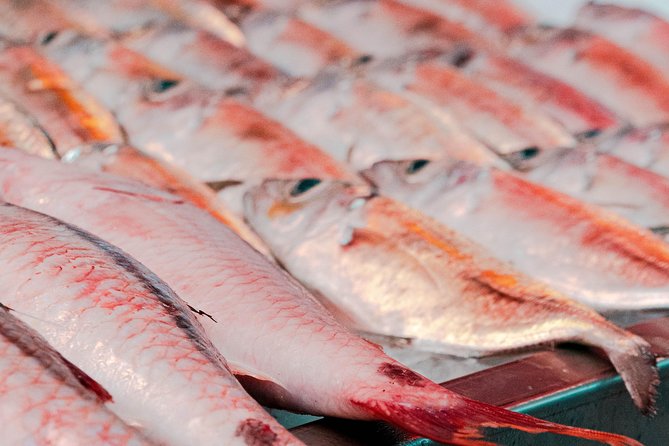
Papeete’s best introduction may come on a plate. This three-and-a-half-hour food walk starts with local breakfast, then moves through market stalls, small food stops, and downtown sights where Polynesian, French, and Chinese influences meet. You may taste fish in coconut milk, taro, plantains, beignets de poisson, mango with plum powder, fresh juice, and more.
I like the small group of no more than eight because guides such as Kalei and Orama can adjust the pace and explain what you are eating. I also like the direct connection with Papeete’s daily life, from the municipal market to long-standing family businesses and local vendors. The main caution is simple: this is a walking food tour, and it is not a strong fit for strict dietary restrictions.
Key points at a glance
- Six to eight tastings: Expect enough food to replace breakfast for many people, with coffee or tea and bottled water included.
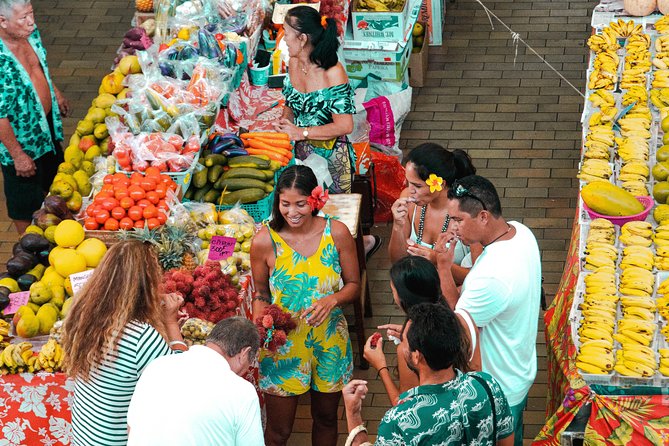
- Papeete Market focus: The municipal market is the heart of the tour, with seasonal fruit, vegetables, fish, and prepared foods.
- Three food cultures in one morning: Tahitian, French, and Chinese cooking all help shape what you taste.
- Local guides: Kalei and Orama are named guides associated with the experience, and the tour emphasizes personal stories and community connections.
- Walking city tour: Notre-Dame Cathedral and the French Polynesian Assembly add cultural and civic context between food stops.
- Best for early risers: The stated operating time is Monday from 9:00 a.m. to 12:30 p.m., a useful fit for a stopover morning.
Why this is a smart first look at Papeete
Papeete can feel like a place you pass through quickly. Cruise visitors often have only a few hours, while air passengers may use the city as a base before heading to another island. This tour gives you a clear way to use that time: walk the center, eat local food, and learn how Tahiti works through its market.
Food is especially useful here because Tahitian cooking does not sit in a single category. You may see raw fish prepared with coconut milk alongside French pastries, Chinese-influenced dishes, local root crops, and snack foods sold from modest counters. The point is not just to fill you up. It is to show how different communities have shaped everyday meals in French Polynesia.
The tour has earned a 4.9 rating from 59 ratings, with 97 percent recommending it. Those numbers fit the experience described: the strongest part is the combination of generous tasting portions, a personable guide, and easy conversation as you walk. The tour is less about formal sightseeing and more about getting a useful first read on Papeete.
A few more Tahiti half days to weigh up
- Papeete City Tour, 3hours (on Tahiti)
★ 5.0 · 3 reviews
Starting with breakfast near Terre de Vigne
The meeting point is Terre de Vigne on Rue Paul Gauguin. The tour begins in the morning, so arrive ready to eat but not after a large breakfast. You may begin with coffee, including coffee served with coconut milk, beignets, or a traditional Tahitian breakfast featuring tuna in coconut milk with cucumber and carrots.
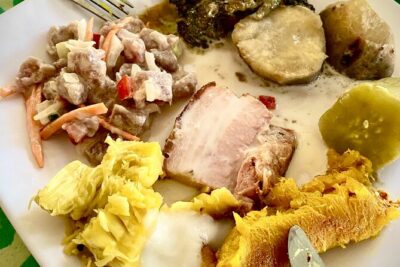
This is a good opening because it introduces flavors you may not meet in a resort dining room. Fish with coconut milk is a familiar Polynesian idea, but the balance of fresh fish, coconut, vegetables, and local side dishes can be new to many visitors. Taro and plantain may also appear early in the tasting sequence.
I would keep your first meal very light. Several people have found that the food adds up quickly, even though each stop is meant to provide a taste rather than a full restaurant meal. Coffee and tea are included, as is bottled water. Alcohol is not included, so do not book this expecting a morning beer or wine tasting.
Eating your way toward the municipal market
The walking route moves through central Papeete and includes several food stops. One example is Lucky Luke, where you might try beignet de poisson, a fried fish preparation that can remind some visitors of a fish fritter or potato scallop. Another possible stop is Vini Vini, where a local-style burger combines several island influences in one hand-held meal.
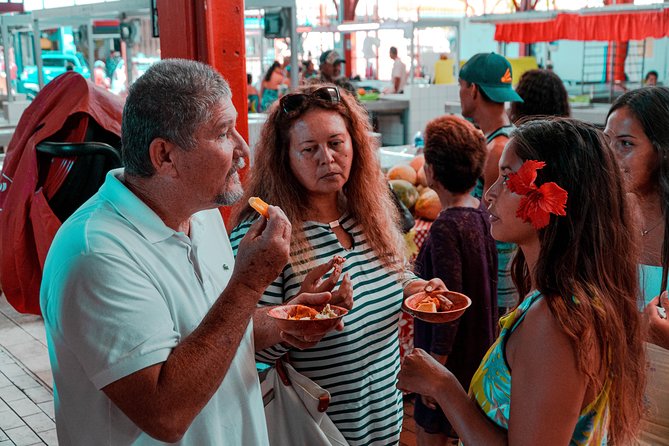
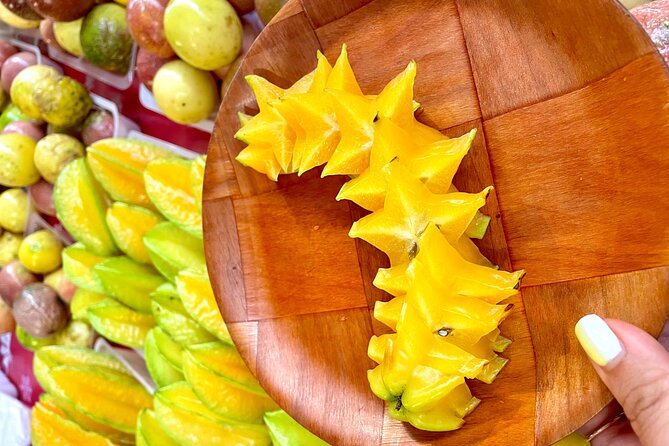
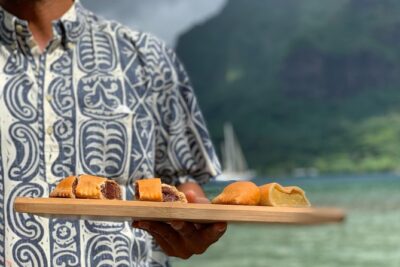
The exact food sequence may vary, but the emphasis is clear: you get multiple small tastings rather than one large dish. You might sample raw fish in coconut milk, taro, plantains, fresh juice, mango with red plum powder, fried seafood, pastries, and other local snacks.
Mango with plum powder is a particularly useful detail to know in advance. The powder can be messy and may cling to your fingers, so pack wipes and avoid wearing white. This is the sort of small practical warning that can save your shirt and make the stop more enjoyable.
The food is served at different vendors and counters, which gives the morning a natural rhythm. You walk, stop, taste, ask questions, and continue. There are places to pause and rest, but you should still wear comfortable walking shoes. This is not a seated tasting menu.
Papeete Market and the meaning of matete
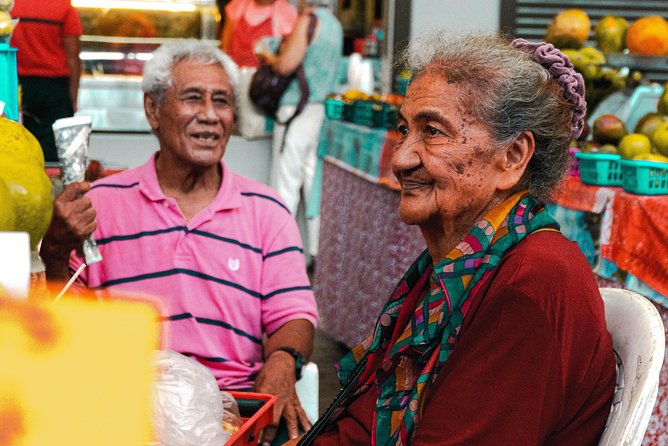
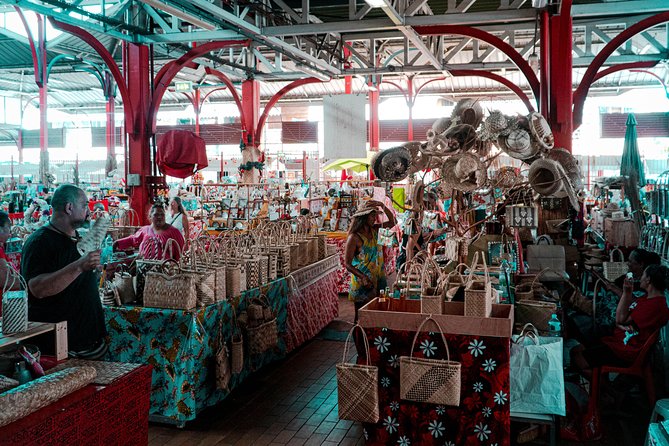
The municipal market is the center of the experience. In Tahitian, matete means market, and this is where local people shop for seasonal produce, fish, and other everyday food. You are not simply looking at a polished attraction. The value comes from seeing what is sold, how it is arranged, and how food connects to ordinary life in Papeete.
Your guide can help you identify local plants, fruit, vegetables, and prepared foods. This matters because many ingredients may look unfamiliar if you are used to supermarket displays at home. The market also helps explain why Tahitian meals include both island staples and dishes shaped by French and Chinese communities.
A useful part of the visit is the chance to look at more than food. The market is also a place to observe shopping habits, local vendors, and the pace of downtown Papeete. If you have time after the tour, the experience ends at Cafe Maeva up at the municipal market, giving you a convenient place to continue exploring.
The market finish is practical for stopover visitors. You are left in a central location rather than returned to the starting point. The end point is Papeete Market, listed at BP4588 in Papeete. Since the tour uses a mobile ticket and begins near public transportation, it is fairly easy to fit into a morning city visit, provided your onward schedule allows enough time.
More food tours in Tahiti:
- Papeete Food Tour
★ 5.0 · 80 reviews - Moorea Street Food Tour
★ 5.0 · 410 reviews - Bora Bora Gourmet Odyssey – Food Tour
★ 5.0 · 15 reviews - Private Experience of Tahitian Wine and Rum Tasting
★ 4.5 · 3 reviews
Notre-Dame Cathedral in a ten-minute pause
The route includes Notre-Dame Cathedral, with time to see the inside and outside and hear a little local history. The stop is listed at about ten minutes, so think of it as a concise orientation rather than a full church visit.
That brief pause works well in a food tour. It breaks up the eating and gives you a reminder that Papeete is more than its market and waterfront. The cathedral also helps place the city within its French Polynesian setting, where European institutions and Polynesian culture share the same small downtown area.
Do not expect a long guided tour of the building. If you want to return for a closer look, you may be able to do so after the food walk, depending on opening conditions and your schedule.
The French Polynesian Assembly and presidential entrance
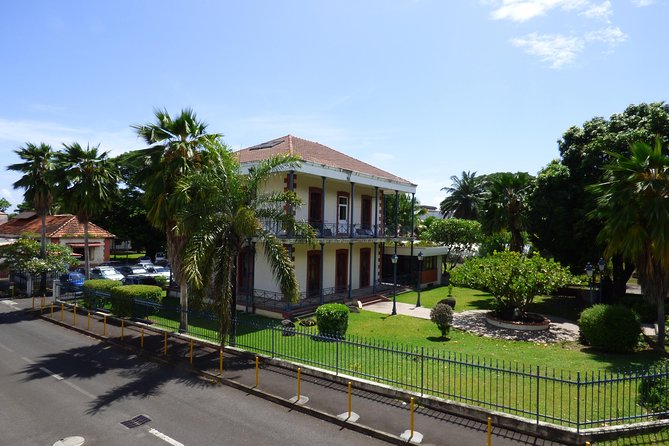
The itinerary also includes the exterior and main entrance of the Assemblee de la Polynesie Francaise, along with a view of the presidential palace entrance. The listed visit is only about five minutes, so this is another passing city sight rather than a full political or architectural tour.
Still, it adds useful context. You get a look at the institutions that govern French Polynesia while walking through the same central area where people shop, eat, and work. The stop is brief, but it helps turn the route into a city tour rather than a string of restaurant visits.
The experience may pass another site with the option of visiting later. Since that stop is not clearly specified, you should treat it as an extra possibility, not a guaranteed major attraction.
What the guides add to the morning
The food is the hook, but the guide makes the tour work. Kalei is repeatedly identified as a friendly local guide who knows the vendors, answers questions, and adjusts the pace. Orama is also described as a passionate guide who brings strong insight into Polynesian food and culture.
That personal connection matters in Papeete. A guide who is recognized by food sellers can make the stops feel more natural, and the food itself becomes easier to understand. You are not just told that a dish is local. You can hear how it fits into daily life, why an ingredient is used, or how several cultural influences came together.
The guide may also adjust the experience to the group’s needs. That is useful for a small party with mixed interests, though you should not assume every dietary request can be met. The experience is best for people who are open to trying a broad range of food and who do not need a tightly controlled menu.
How much food do you really get?
The package includes about six to eight preselected tastings, plus coffee or tea and bottled water. That sounds modest on paper, but the stops can include breakfast foods, fish, fried items, fruit, drinks, and a more substantial bite such as a burger.
I would plan this as a full morning meal. Eat only a small breakfast before meeting the guide, or just have coffee if that suits you. You will want room for the first tasting, and the food keeps coming.
Portions are intended for tasting, not for one person to order a complete plate at every stop. That is good for variety, but it also means you should not expect to choose every dish or build the tour around one favorite food. A few people may find the total amount very filling, while larger appetites may want to buy something extra at the market afterward.
Some food may be shared directly from a larger item. One description notes that a host tore food into portions by hand, which some people may find less polished than individually cut servings. If that detail matters to you, keep it in mind. The tradeoff is a more informal, local style of tasting.
Price, timing, and practical value
At $130, this is not a cheap breakfast. The value comes from the number of tastings, the small group, the guide’s local connections, and the time saved finding suitable places on your own. For a first morning in Tahiti, that combination can be worthwhile, especially if you have only a short stay in Papeete.
You are also paying for interpretation. Without a guide, you could visit the market and buy food, but you might not know which ingredients are especially local, how dishes fit together, or which small counters are worth your time. The tour gives structure to a city that many people otherwise see only briefly.
The tour lasts about three hours and 30 minutes and is limited to eight participants. That size allows questions without turning the route into a crowded group exercise. It also makes the pace more personal, though a small group does not remove the need for walking.
The listed operating hours are Monday from 9:00 a.m. to 12:30 p.m., covering the morning period. Confirmation is sent within 48 hours of booking, subject to availability. If your cruise or flight schedule is tight, leave a sensible buffer rather than planning an immediate transfer at the stated end time.
Free cancellation is available until 24 hours before the start time. A cancellation inside that window is not refunded. Poor weather or failure to meet the minimum number of participants can lead to a different date, another experience, or a full refund.
Who should book this food walk?
I would recommend it to first-time visitors who want an easy introduction to Tahitian food and downtown Papeete. It also suits cruise passengers and stopover visitors who want to make good use of a morning without arranging several separate visits.
Food lovers will get the most from it, especially those curious about Polynesian, French, and Chinese cooking in the same city. The guides also add enough cultural and historical material to keep the experience useful for people who are not serious food specialists.
You should think twice if you have strict dietary restrictions, dislike fish or coconut-based dishes, or prefer a seated meal. The menu is preselected, and the tour is designed around trying what the guide has arranged. It is also not ideal if walking for several hours in warm weather would be difficult.
Service animals are allowed, the route is near public transportation, and most people can participate. Those details help, but the tour still involves city walking, standing, and repeated stops.
My verdict: book it for a flavorful first morning
Book the Papeete Food and City Tour if you want more than a quick look at the market. The best reasons are the small group, the six to eight tastings, the guides’ local ties, and the chance to understand Papeete through food rather than only through monuments.
The strongest practical plan is to book it early in your stay, eat lightly beforehand, wear good shoes, carry wipes, and leave room in your schedule after the 12:30 p.m. finish. Skip it if you need a guaranteed allergy-specific menu or a relaxed, seated brunch.
For most first visits, $130 buys a useful mix of food, conversation, and city orientation. You leave with a better sense of what Tahiti eats and how Papeete fits together, which is a fair return for one morning.
FAQ
How long is the Papeete Food and City Tour?
The tour lasts approximately three hours and 30 minutes.
What food is included?
The tour includes about six to eight preselected tastings, along with coffee or tea and bottled water.
What kinds of food might I try?
Possible tastings include tuna in coconut milk, taro, plantains, beignets de poisson, local pastries, fresh juice, mango with plum powder, and other Tahitian, French, and Chinese-influenced foods.
Is alcohol included?
No. Alcoholic beverages are not included.
Where does the tour begin?
The starting point is Terre de Vigne on Rue Paul Gauguin in Papeete.
Where does the tour end?
The tour ends at Cafe Maeva at the municipal market of Papeete.
How large is the group?
The maximum group size is eight travelers.
Does the tour include sightseeing?
Yes. The route includes the municipal market, Notre-Dame Cathedral, and the exterior and main entrance of the Assemblee de la Polynesie Francaise. Another site may be passed with the option of visiting afterward.
Is the tour suitable for people with strict dietary restrictions?
It is best suited to people without strict dietary restrictions because the tastings are preselected.
Can I cancel for a refund?
Yes. You can cancel at least 24 hours before the start time for a full refund. Cancellations or changes made less than 24 hours before the start time are not accepted for a refund.
Just added around Tahiti
- Small group snorkeling (5 people max): wrecks & tropical fishes at 3:30pm★ 5.0 · 7 reviews
- Whale Watching Activity★ 5.0 · 8 reviews
- Taxi Boat to Watch the Teahupoo International Surfing Competition★ 4.5 · 13 reviews
- Teahupoo Olympic Wave Journey★ 5.0 · 6 reviews
- Wholesale Fishing in Poti Marara at Tahiti Teahupoo Peninsula★ 5.0 · 4 reviews
- SURF TAHITI Bites & Waves – Surf experience with every bite★ 5.0 · 7 reviews
- Tahiti Full Day Private Coastal Tour★ 5.0 · 16 reviews
- Sunset sailing trip on the Lagoon of Tahiti★ 5.0 · 5 reviews
Food & Drink, compared.

Browse the lists this tour appears in