
Reviewed · POLYNESIAN CULTURE TOURS
Bora Bora: 4WD History & Culture Tour
Bora Bora’s best land views often sit beyond ordinary roads. This 4×4 tour climbs steep, narrow tracks to lookout points over the lagoon, then adds 1942 American WWII sites and stories of temples built around 1,000 AD. I like the mix of big scenery and small local details, especially the family pareu workshop and fresh fruit tasting. Guides such as Terie, Deano, and Tamanono also bring music and island knowledge to the ride.
I also like that the tour fits a lot into three hours, with water, cold oshibori towels, and pickup included. The tradeoff is the rough road work: some climbs are steep, one lane, and in poor condition, so wear trainers or sturdy walking sandals. Rain can also limit what you see, and some English explanations may be less detailed depending on your guide.
Key points to know before you book
- Steep 4×4 climbs lead to wide Bora Bora views: The best lookouts are reached on rough tracks rather than standard sightseeing roads.
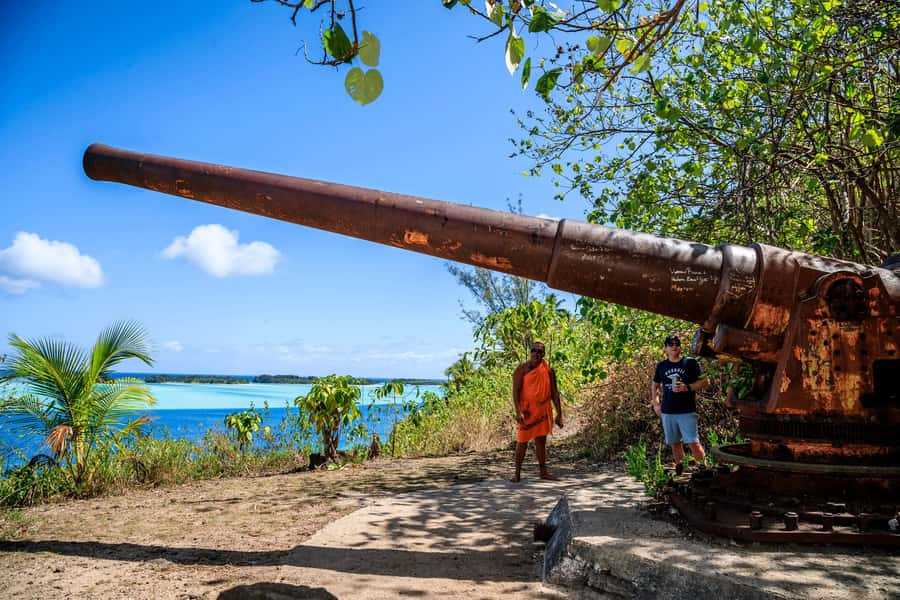
- WWII history comes with a short walk: You may walk down to American cannons installed during the 1942 military presence, so proper footwear matters.
- Faanui Valley adds everyday island life: See small fruit plantations and learn about local plants, coconut oil, and traditional pareu cloth.
- The guides are part of the experience: Terie has serenaded groups with local songs, while Deano and Tamanono have been praised for clear commentary and careful driving.
- Three hours gives you a useful island overview: You see history, scenery, food, and crafts without giving up an entire day.
- Weather can change the payoff: Clouds and rain may block viewpoints, though the tour still offers cultural stops and a different view of Bora Bora from land.
Why this 4×4 tour is different from a lagoon excursion
Bora Bora is famous for its water, and for good reason. The lagoon is the island’s star attraction. Yet a boat trip will not show you the old roads, fruit gardens, mountain tracks, or inland stories that give the island its shape.
This excursion works as a land-based counterpoint. You ride around the island in a 4×4 vehicle, stopping at places that ordinary road tours may skip. The focus is not just on taking photographs. You learn how Bora Bora’s older Polynesian society was organized, hear legends tied to the island, and see traces of its wartime role.
I would not treat this as a replacement for a lagoon cruise. One tour shows you the water from the water; this one lets you see the island from above and from inside its valleys. If you have only a short stay, the choice depends on what you are missing. For lagoon color and swimming, choose the water. For history, views, and local crafts, choose this land tour.
More 4WD Safaris in Bora Bora
- Bora Bora: Half Day Island 4WD Guided Tour
★ 4.5 · 440 reviews - Bora Bora Half Day 4X4 Island Safari Tours
★ 5.0 · 431 reviews - Bora Bora Combo Tour: Lagoon Cruise and 4WD Tour Including Snorkeling
★ 4.5 · 200 reviews
Starting in Bora Bora: pickup details that matter
The tour lasts three hours, so the early timing is useful. If you are staying near Matira, pickup is expected around 8:30 AM. If you are in Vaitape, you meet at the main pier by the bleu taxi sign at 9 AM.
That meeting detail matters on an island where accommodations can be spread around the coast. If you are in Vaitape, arrive at the pier before the stated time and look for the bleu taxi sign. The tour returns to Bora Bora after the circuit, and one group was taken back in time to make a ship departure.
The exact starting time can vary, so check availability when booking. Pickup is included, but the information provided only specifies the Matira area and the Vaitape pier. If you are staying elsewhere, contact the operator before you assume door-to-door service.
The reservation terms are friendly for a changing holiday schedule. You can cancel up to 24 hours in advance for a full refund, and you can reserve now while paying later. That is useful if your plans depend on weather, cruise timing, or a hotel transfer.
Riding the island’s rough upper roads
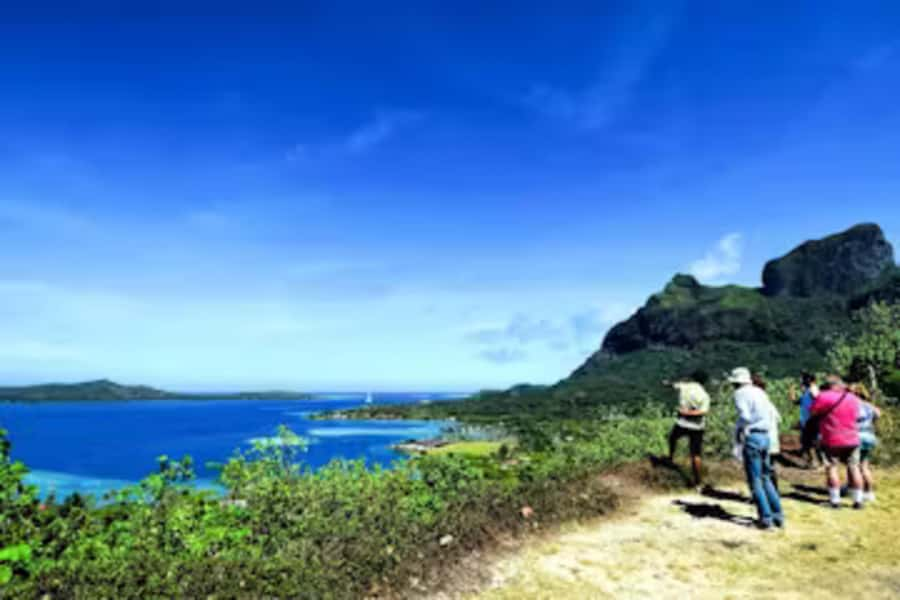
The main appeal is the 4×4 itself. This is not simply a vehicle with a high seat and a short loop on smooth pavement. Some roads climb sharply toward viewpoints and are narrow, uneven, and in places only wide enough for one vehicle.
That rough access is exactly why the views are worthwhile. You reach parts of Bora Bora that are difficult to visit without a capable vehicle and a driver who knows the route. The ride may feel exciting, but it is not ideal for anyone who dislikes steep drops, jolting roads, or exposed mountain tracks.
I would wear trainers or solid walking sandals. One stop involves walking down to see the WWII cannons, and flip-flops are a poor match for that path. Bring sun protection and a light rain layer, though water and cold wet towels are provided.
The road conditions also make the guide’s driving important. Tamanono was praised for handling wet conditions, and Deano drew particular praise for managing steep, narrow sections. Those details are worth considering because the quality of this tour depends on more than the scenery. A careful driver makes the rough roads feel controlled rather than careless.
Ancient temples and the stories behind Bora Bora
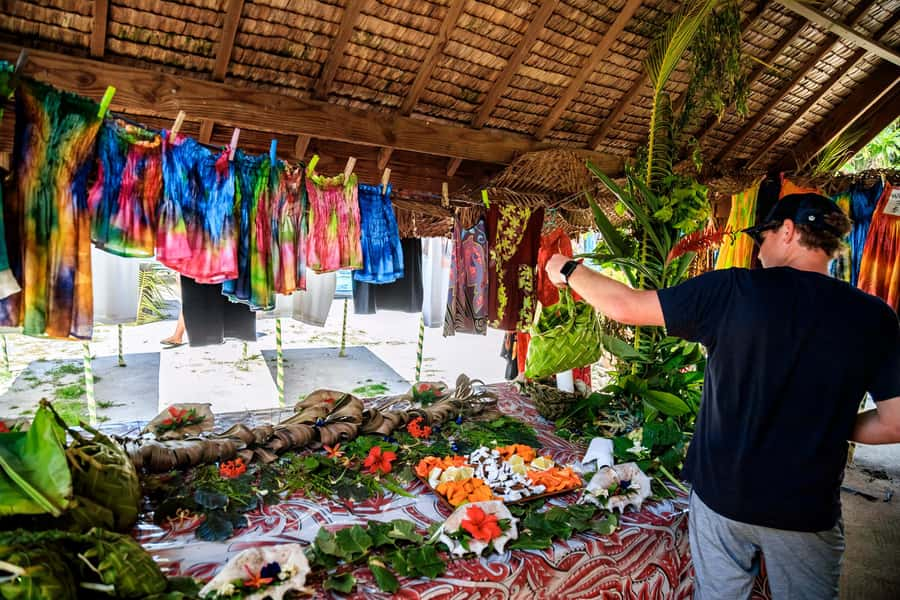
The cultural part of the tour reaches back much further than the twentieth century. Your guide explains the ancient temples, or marae, connected with the great Tahitian seafaring society that developed around 1,000 AD.
You also hear traditional legends and learn how Bora Bora fits into the wider story of Polynesian voyaging. The exact detail will depend on the guide and the group’s questions, but the point is clear: the island is more than a resort setting with postcard views.
This part is especially useful if you have already seen Bora Bora from the lagoon. From a boat, you notice peaks, reefs, and changing water colors. On land, you get context for the places around you. A strong guide can turn a mountain ridge or old site into part of a larger story.
English and French are offered. Guides such as Hery, Ari, Matanono, Deano, and Tamanono have led recent departures. Their styles differ. Some focus on clear explanations, some add local music, and some make the tour more personal through questions, fruit samples, and plant knowledge.
One caution is worth keeping in mind. A guide may speak English well enough for a friendly overview but not always offer detailed explanations in every situation. One group enjoyed the friendliness and ukulele music but found the English translation difficult to follow. If history is your main reason for booking, ask questions early and stay close to the guide during stops.
More Cultural Tours in Bora Bora
- SHARED FULL DAY CULTURAL & LAGOON TOUR – Bora Bora Cultural Lagoon Tour
★ 5.0 · 38 reviews - SHARED SUNSET LAGOON CRUISE – Bora Bora Cultural Lagoon Tour
★ 5.0 · 22 reviews - PRIVATE FULL DAY CULTURAL & LAGOON TOUR – Bora bora Cultural Lagoon Tour
★ 5.0 · 22 reviews - Lagoon Snorkeling Tour with Tahitian Oven Lunch in Bora Bora
★ 5.0 · 7 reviews
WWII cannons and Bora Bora’s 1942 chapter
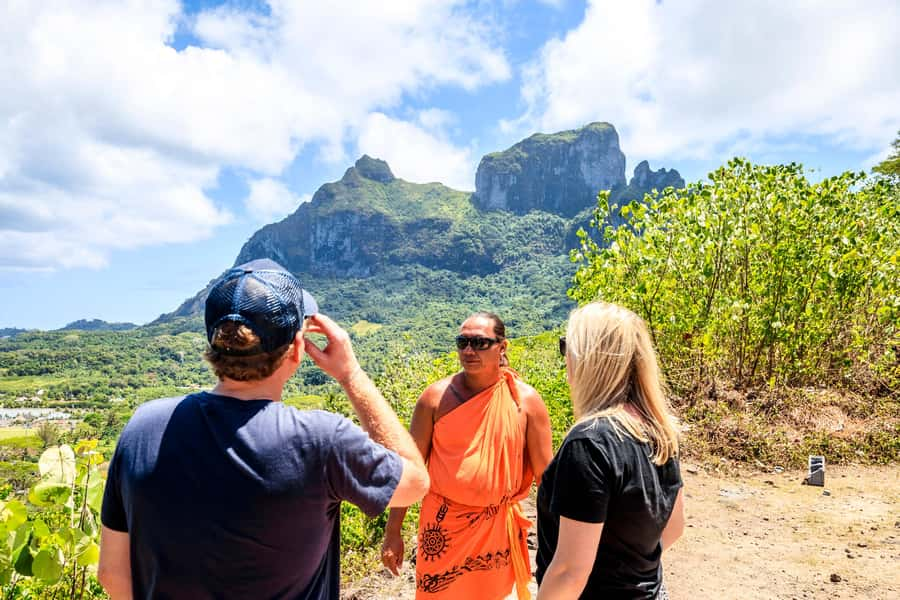
The wartime stop gives the tour a sharp change of pace. In 1942, American forces established sites on Bora Bora during the Second World War. The remains and cannons provide a physical reminder of that period, rather than leaving the story as an abstract date.
You do not simply look at the cannons from the vehicle. The route includes a walk down to see them, which is why footwear matters. The walk is part of the stop, not an optional detail to ignore.
I like this section because it adds balance. Bora Bora is often presented only as romance and scenery. The WWII sites show how the island became strategically important and how outside military activity altered daily life.
Do not expect a large museum or a long military tour. This is a short outdoor visit folded into a broader island circuit. The value comes from seeing the remains in their setting and hearing the local explanation. If you want a highly detailed military history, this tour may feel brief. If you want one meaningful historical stop alongside views and culture, it fits well.
Faanui Valley, fruit plantations, and island plants
The route continues into Faanui Valley, where small fruit plantations give you a closer look at food production on the island. This is a welcome change from the high viewpoints and open water views.
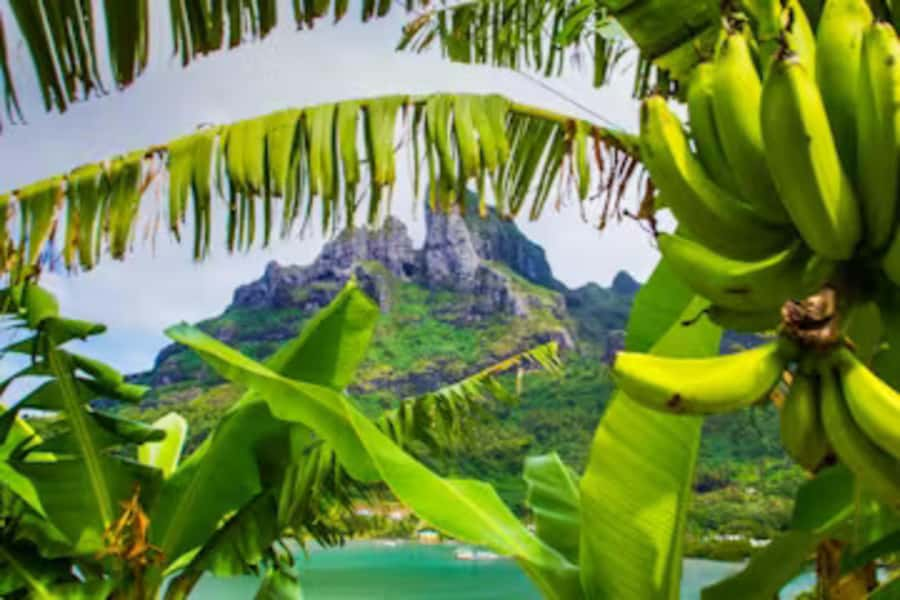
You may see and taste local fruits such as bananas. Guides also explain some of the trees and plants found around Bora Bora, including how they are used. That practical detail helps you notice the vegetation as something people work with, not just a pretty background.
The fruit stop is modest, but that is part of its charm. You are not being taken to a large commercial food attraction. You are given a small taste of what grows locally and how the island’s plant life fits into daily routines.
This stop also makes the tour useful for families and first-time visitors. Children often respond better to tasting fruit and seeing real plants than to a long talk at a historic site. Adults get a clearer sense of how limited land and tropical growing conditions shape life on Bora Bora.
A family pareu workshop and coconut oil demonstration
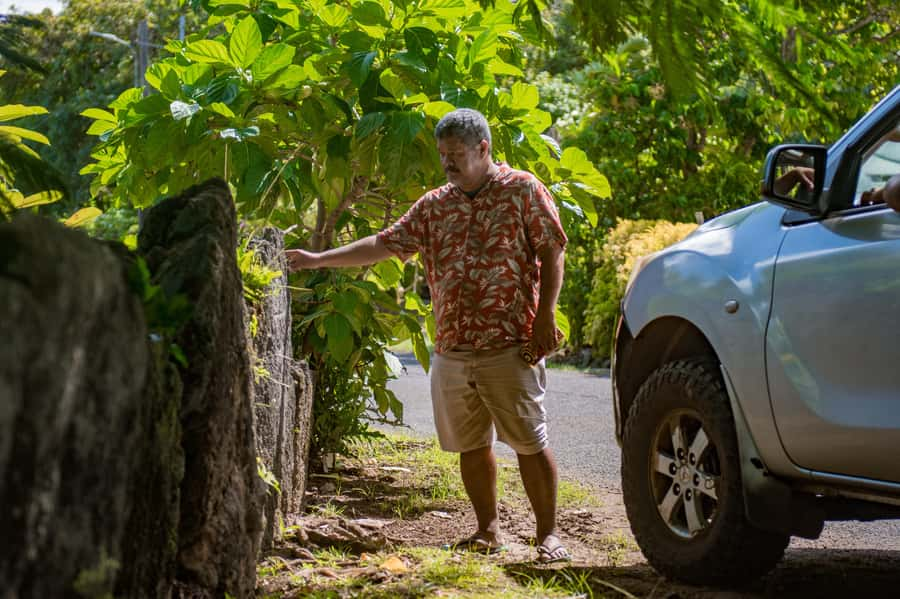
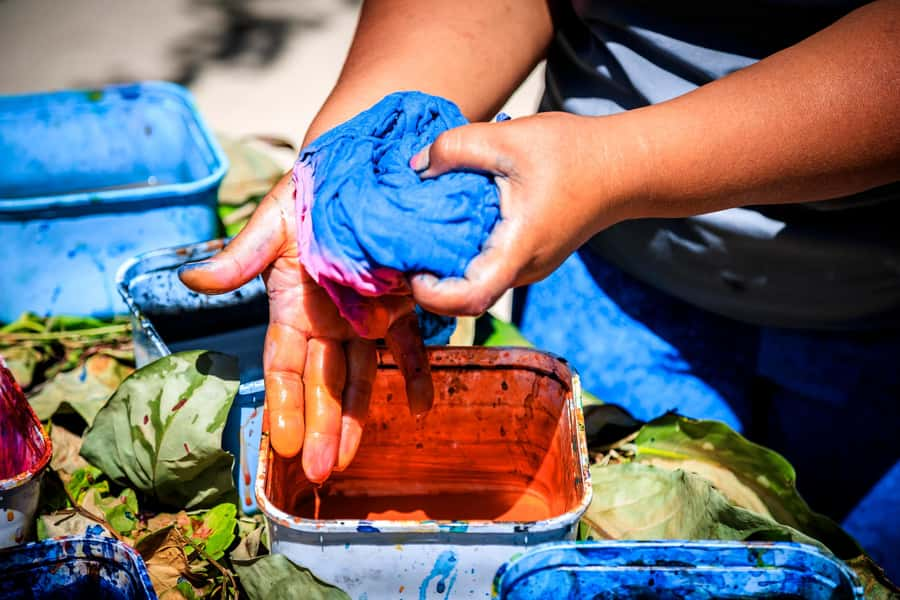
The pareu workshop is one of the most distinctive stops. A pareu is a Polynesian sarong, and at this family-owned workshop you see how the fabric is made with tie-dye-style patterns.
This is a hands-on cultural stop in the broad sense, though you should expect a demonstration and explanation rather than a full craft class. You learn about the process, see the finished designs, and have a chance to browse an arts and crafts setting.
The workshop also covers coconut oil production. That connects the craft stop to the plant life you have already seen in Faanui Valley. The experience feels more grounded because it shows useful products and skills, not just souvenirs arranged for display.
I would leave some space in your luggage if you like locally made textiles, but do not book this tour solely as a shopping trip. The workshop is one part of a wider circuit. Its real value is the chance to meet a family business and see how a familiar island item is produced.
Views from the mountain tracks
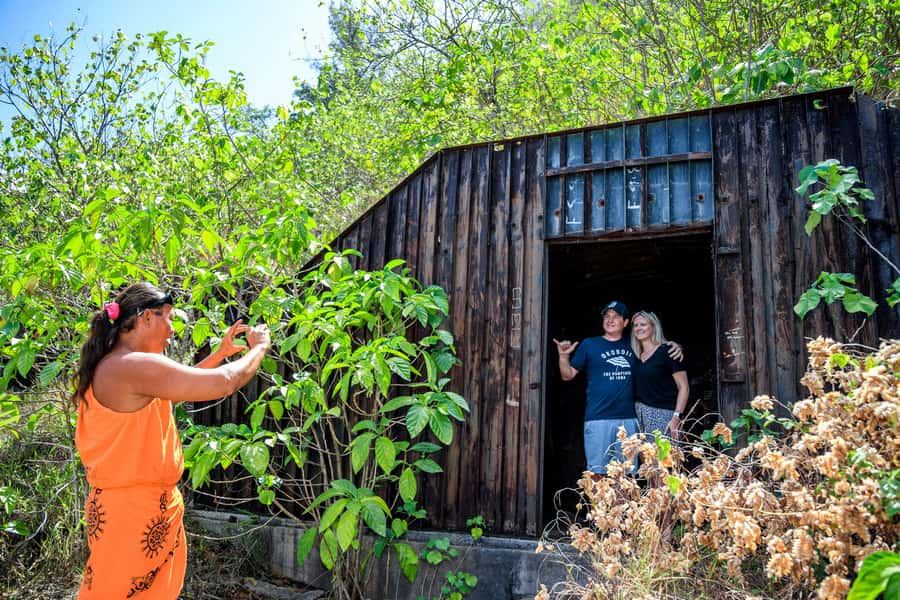
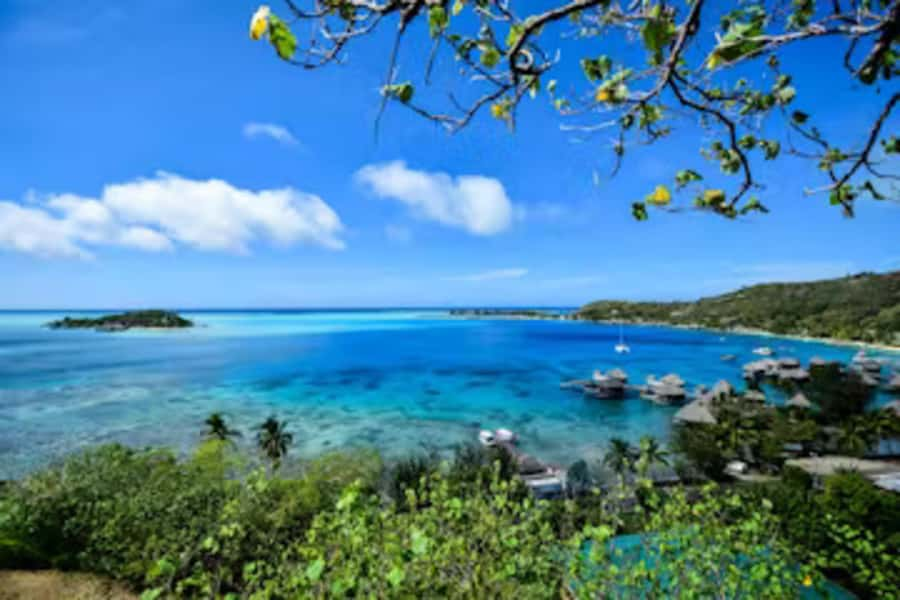
The viewpoints are the visual high point of the tour. From above, you see the lagoon’s changing colors, the surrounding water, and the shape of Bora Bora in a way that is hard to understand from the beach.
The best viewpoints are not necessarily the easiest to reach. The vehicle may climb a steep, narrow road in poor condition, and the ride can be unsettling if you are not comfortable with rough access. That is the price of reaching a different angle on the island.
Weather is the main variable. Clouds can block part of the view, and rain may mean you cannot see everything. Still, the ride can remain worthwhile because the cultural stops, valley visit, and WWII sites do not depend entirely on clear skies.
I would plan this tour with realistic expectations. You may get the famous bright lagoon colors, or you may get a moody, cloud-covered mountain setting. The latter can still be striking, but you should not assume every lookout will deliver a perfect postcard.
What the $72 price buys you
At $72 per person, the value depends on what you want from a half-day activity. You get three hours of transport, a live English or French-speaking guide, local fruit, bottled water, cold oshibori towels, scenic stops, historical interpretation, and a craft visit.
That is a reasonable bundle if you want to see inland Bora Bora without arranging your own transport. The tour also reaches roads and viewpoints that would be difficult to handle independently, especially if you do not know the island.
The price is less compelling if your only goal is a quick scenic drive. The experience earns its cost through the variety: ancient temples and legends, WWII remains, mountain views, Faanui Valley, fruit, coconut oil, and pareu making.
I would also compare it with what your hotel or cruise schedule already provides. If you have a full lagoon program and limited time, the land tour offers a useful contrast. If you have already taken a detailed island drive, some scenery may feel familiar, though the history and workshop still add something different.
Who will enjoy this tour most
I would recommend it to you if you want a compact introduction to Bora Bora beyond the beach. It works particularly well for first-time visitors, couples who want something besides a resort day, families interested in food and crafts, and anyone curious about the island’s wartime past.
It is also a good choice if you want a guide rather than a self-guided drive. The route involves rough roads, and the guides add value through local songs, plant explanations, legends, and answers to questions.
You may want to skip it if you strongly dislike bumpy rides or steep mountain roads. It is also not the best match if you have mobility concerns around uneven paths, since the cannon stop includes walking and some roads are rough.
If your schedule is tight, the three-hour format is a plus. You can see a wide range of Bora Bora without giving away a full day. The short length also means the tour does not offer much time at each stop, so choose it for variety rather than slow, detailed visits.
Small details that improve the day
Bring trainers or good walking sandals. This is the most useful practical tip, especially for the WWII cannon stop.
Keep a camera ready for the upper viewpoints, but do not spend the entire ride looking through it. The guide’s explanations about trees, old hotels, local fruit, and island history are part of what you are paying for.
Ask questions early if you want more historical detail. Some guides are especially strong communicators, while others may be easier to understand when they explain things face to face at a stop.
Expect the weather to shape the day. Rain may hide a viewpoint, but it can also make the ride feel more adventurous and give you a chance to see the island in a different mood.
The tour includes water and cold wet towels, a welcome touch in a warm climate. Local fruit is also included, so you do not need to plan the morning around finding a snack.
Should you book the Bora Bora 4WD History and Culture Tour?
Book it if you want a broad, active introduction to Bora Bora rather than another hour on the water. The combination of steep viewpoints, ancient Polynesian stories, WWII cannons, Faanui Valley, local fruit, and pareu making gives you a fuller sense of the island.
I would be especially likely to choose it early in a Bora Bora stay. It helps you understand the island before you spend more time on beaches or boats. The $72 price is fair for the transport, guide, and range of stops, though the tour is less suitable for anyone who dislikes rough roads.
For the best chance of enjoying it, wear proper shoes, allow for changing weather, and treat the tour as a lively overview rather than a specialist history program. If that sounds like your kind of morning, it is a worthwhile way to see the Bora Bora that sits behind the lagoon.
FAQ
How long is the Bora Bora 4WD History and Culture Tour?
The tour lasts three hours, including the island drive, sightseeing stops, historical explanations, local fruit, and the arts and crafts visit.
What languages are available?
The live guide service is available in English and French.
Where is pickup provided?
Pickup is included in Bora Bora. If you stay around Matira, pickup is expected around 8:30 AM. If you are in Vaitape, meet at the main pier by the bleu taxi sign at 9 AM.
What should I wear?
Wear trainers or sturdy walking sandals. Some roads are rough, and the visit to the WWII cannons includes a walk. Flip-flops are not recommended for that part of the tour.
Does the tour visit WWII sites?
Yes. You visit sites and cannons connected with the American military presence on Bora Bora in 1942.
Will I see ancient temples?
The guide discusses ancient temples connected with Tahitian society around 1,000 AD, along with seafaring stories and local legends.
Is local food included?
Local fruit is included, and the tour may include tastings such as bananas. Bottled water is also provided.
Does the tour visit a pareu workshop?
Yes. You visit a family-owned workshop to see how tie-dye-style pareu sarongs are made. The stop also includes information about making coconut oil.
Can I cancel for a refund?
You can cancel up to 24 hours in advance for a full refund. The tour also offers a reserve-now-and-pay-later option.
More History and Heritage in Bora Bora
- Land and Sea cultural tour to discover traditions, heritage and the lagoon
★ 4.5 · 24 reviews - Tahiti Private Half Day Tour. Nature, history and culture
★ 4.9 · 14 reviews - Papeete and Tahiti Historical and Cultural Tour
★ 5.0 · 8 reviews - Avarua Historical Walking Tour
★ 4.0 · 4 reviews
Just added around Bora Bora
- Lagoon Snorkeling Tour with Tahitian Oven Lunch in Bora Bora★ 5.0 · 7 reviews
- Stroll out of time on the lagoon of Bora Bora★ 5.0 · 15 reviews
- Private Experience of Tahitian Wine and Rum Tasting★ 4.5 · 3 reviews
- Romantic Dive for beginners in Bora Bora (2 people) with Video★ 5.0 · 18 reviews
- Reef Discovery Private Sunset Cruise in Bora-Bora★ 5.0 · 4 reviews
- Shared – Introduction to wine – Bora Bora Wine Tastings★ 5.0 · 13 reviews
- Reef Discovery Luxury Private Snorkeling Lagoon Tour★ 5.0 · 18 reviews
- Reef Discovery Private Treasure Hunt★ 5.0 · 5 reviews
Polynesian Culture Tours, compared.
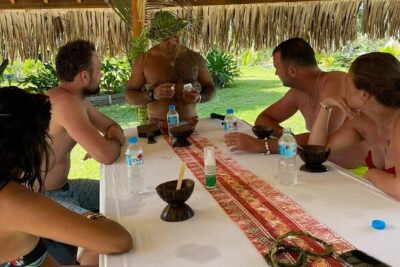
SHARED FULL DAY CULTURAL & LAGOON TOUR – Bora Bora Cultural Lagoon Tour
Read our review →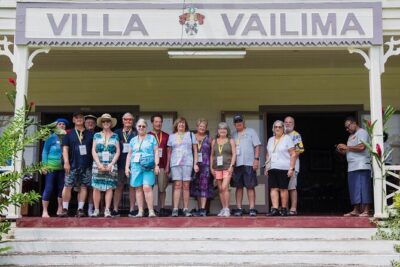
Apia Highlights Shore Excursion Tour + Lunch & Island Show
Read our review →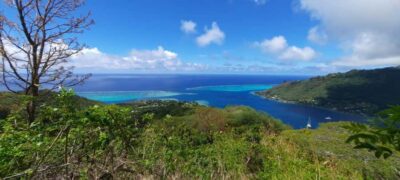
Safari Nature and Culture Tour with local guide
Read our review →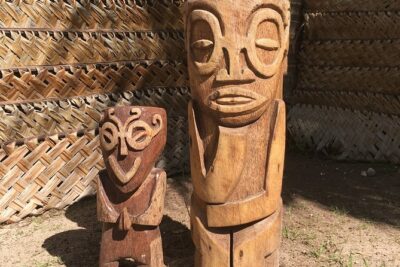
Land and Sea cultural tour to discover traditions, heritage and the lagoon
Read our review →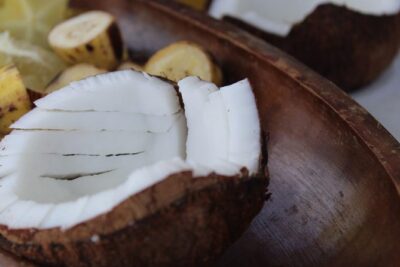
PRIVATE FULL DAY CULTURAL & LAGOON TOUR – Bora bora Cultural Lagoon Tour
Read our review →Browse the lists this tour appears in