
Reviewed · WHALE WATCHING
Whale watching 6 people half day
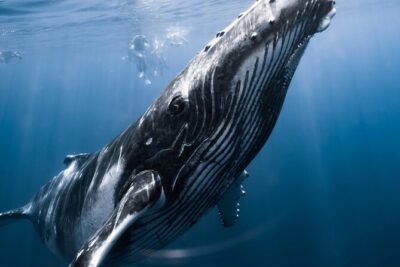
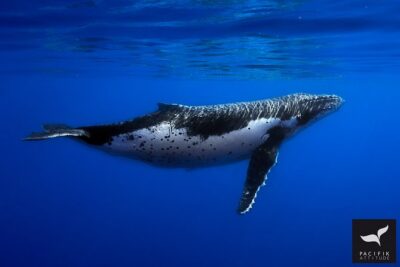
Humpback whales are the main event here, but the real thrill is seeing how little control you have over the day. A whale may rest, sing, breach, or vanish before you enter the water. The small six-person limit gives the crew room to make careful decisions, and guides such as Doris and Jay put animal behavior ahead of a rushed encounter.
I like two things in particular: the patient, respectful approach to whales, and the choice between swimming with fins and watching from the boat. The crew may also find dolphins, sperm whales, seabirds, flying fish, or other marine mammals. The main caution is simple: this is an open-ocean outing, so rough water and seasickness are real possibilities, and a whale encounter or swim is never guaranteed.
Key points before you book
- Six travelers maximum: A small group gives you more space and more direct time with the guide.
- Three to four hours on the water: The exact length depends on weather and animal activity.
- Swimming is optional, but ocean comfort matters: You need good physical condition to swim with fins, mask, and snorkel.
- Guides focus on respectful behavior: Doris, Jay, and the crew explain safety and approach whales slowly.
- Wildlife sightings vary: Humpback whales are the focus, but dolphins, sperm whales, seabirds, and flying fish are possible.
- Open-sea conditions can be rough: Take seasickness seriously and prepare before leaving Moorea Marina.
Moorea Marina is the starting point
Your meeting point is Moorea Marina, BP 1173, Opunohu 98729. The boat returns to the same place after the outing, which keeps the logistics simple if you are staying elsewhere on Moorea.
The trip lasts about four hours, though the stated range is three to four hours depending on weather and the animals. That flexibility matters. A wildlife trip cannot run like a museum visit, and the crew may need extra time to find whales or may shorten the outing if conditions become poor.
The boat is described in the experience details as a small-group vessel, while one account refers to a larger zodiac-type boat. In either case, plan for an exposed ride on the open sea rather than a calm harbor cruise. Wear practical swim clothing, bring protection from the sun, and secure anything loose before the boat gets moving.
The maximum is six paying participants. That is one of the strongest features of this trip. With fewer people, you have a better chance of hearing the naturalist guide, asking questions, and getting a clear place to watch from the boat. It also helps the crew manage water entries without turning the encounter into a crowd.
More Whale Watching Tours in Moorea
- Swimming with Whales in Moorea (Half Day tour)
★ 4.5 · 264 reviews - Whale Tour – Observe and swim with whales
★ 5.0 · 257 reviews - Swim with humpback whales
★ 5.0 · 224 reviews
The first part is a safety and wildlife briefing
Once you leave the marina, the guide explains what you are looking for and how the group will act around the animals. Expect information about humpback behavior, the possible situations you might encounter, and the rules for entering the water.
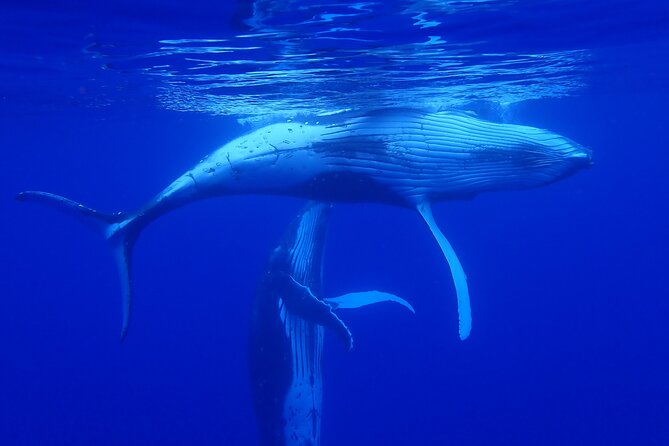
The guide may describe whales traveling alone or in groups, mothers with calves, resting animals, singing males, and courtship behavior. These details are not just background facts. They help you understand why the boat may wait, change direction, or decide not to enter the water.
Doris is praised for preparing people carefully with whale facts, safety information, and instructions for how to approach the animals. Jay is also described as a guide who explains humpback behavior and stresses respect. The specific guide depends on the departure, but the format is clear: you receive guidance before you are asked to get into the ocean.
This is especially important because swimming with large wild animals is not a standard snorkeling stop. You are expected to follow directions, move gently, and avoid forcing an encounter. The crew studies the animals first, then decides what is appropriate.
Searching for humpback whales off Moorea
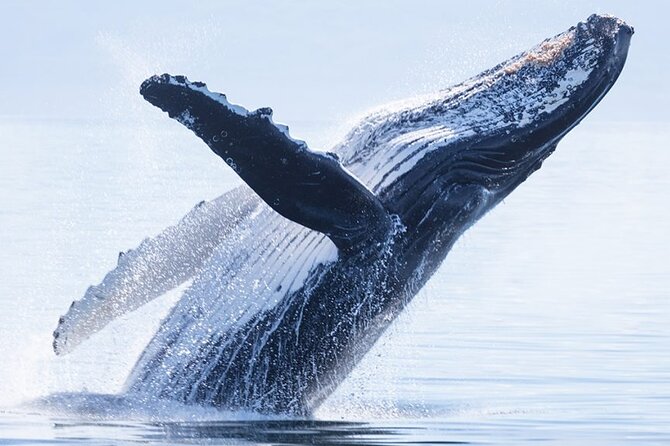
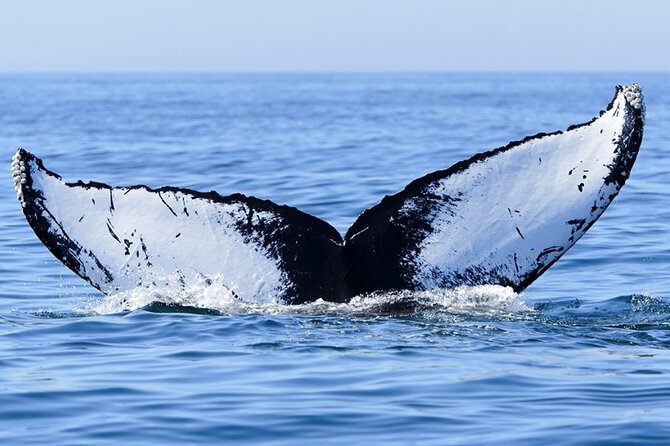
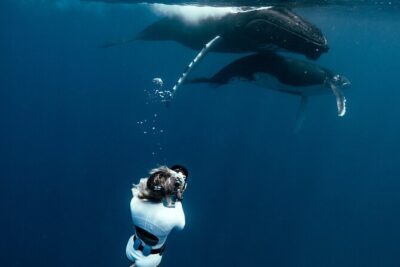
The main portion of the outing involves looking for humpback whales. You may see a mother and calf, a lone whale, several animals traveling together, or a male producing underwater song. Breaching, tail slaps, fin slaps, circling, and long dives are all possible, but none can be scheduled.
That uncertainty is part of the value. A whale that stays at the surface may allow a careful water approach. Another may disappear after one sighting. The crew’s job is not to manufacture action, but to read the animals and make a sensible choice.
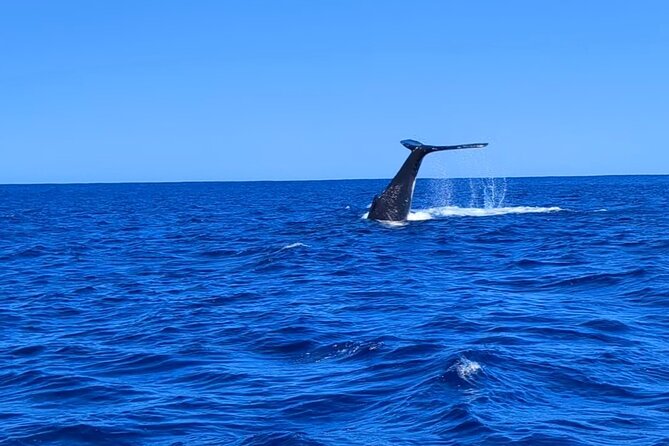
Several accounts describe a wide range of sightings from the boat, including whales breaching, slapping their tails, circling, and moving away after the first water entry. One outing included a whale repeatedly striking the water with its tail for about a minute. Another included a mother and young animal early in the trip, followed by whales leaping at a distance.
I would set your expectations in layers. First, hope to see whales. Next, hope to observe interesting behavior from the boat. Only then should you treat swimming near a whale as an extra possibility. That mindset makes the trip worthwhile even if the sea is rough or the animals keep their distance.
Entering the water near a wild whale
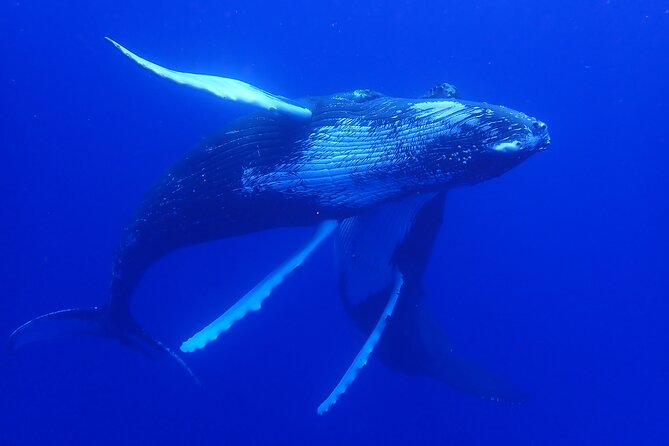
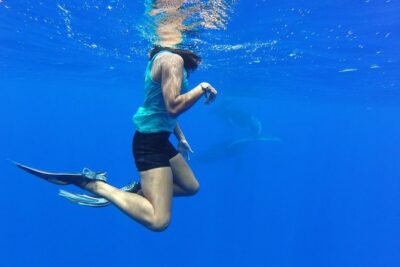
If conditions and whale behavior permit, the crew may launch you into the water for a gentle approach. This is not guaranteed, and the crew may decide that remaining on the boat is the better choice.
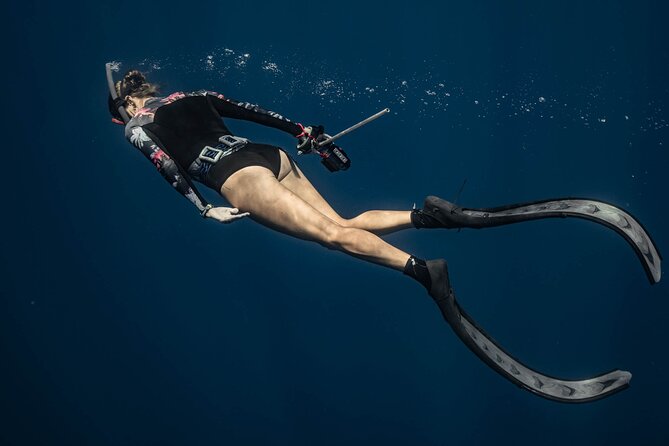
You need to be comfortable in the ocean with fins, a mask, and a snorkel. Good physical condition is required for swimming with fins in open water. The experience is not suited to someone who is nervous in the sea or relies on a calm, shallow swimming area.
Non-swimmers can stay on the boat with the captain and watch the animals from there. This is a useful option for couples or families with different comfort levels. One person can enter the water while another listens for whale song or watches surface behavior from the boat.
The crew may wait for a suitable moment rather than rush everyone into the water. A whale that has just left the area is not an invitation to chase it. That patience is central to the experience and one of the reasons this trip feels different from a standard wildlife ride.
You should also understand that a successful swim is not the same as a guaranteed close encounter. The whales decide where they go. You may spend time floating and waiting, then see the animal move away. That can be disappointing if you book only for a close photograph, but it is the correct outcome when the animal does not wish to remain nearby.
Same water, a completely different kind of day:
- Moorea 6-Hour Snorkeling and Lunch Shared Tour
★ 5.0 · 1,758 reviews - Moorea 4WD Tour Inc. Belvedere, Pineapple Farm, Magic Mountain…
★ 5.0 · 967 reviews - Snorkeling excursion, discovery of the lagoon, small group.
★ 5.0 · 861 reviews - Franckyfranck Tours Moorea – Half day Tours
★ 5.0 · 817 reviews
The boat view can be excellent on its own
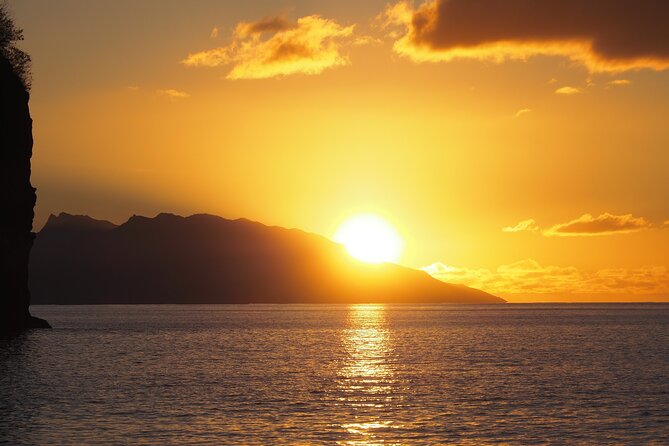
You do not need to swim to have a worthwhile outing. From the boat, you may see whales at the surface, watch breaches and tail slaps, or hear a male singing underwater. The captain can also help you observe from the vessel while the guide manages the people in the water.
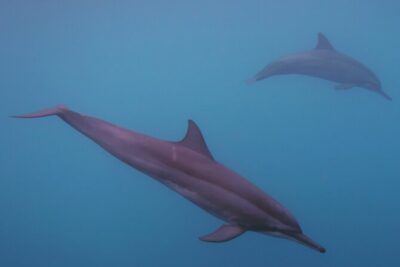
The list of possible marine life extends beyond humpbacks. Dolphins, including long-billed and narrow-billed types, sperm whales, flying fish, and hunting seabirds may appear. The wording around these sightings is important: they are possible, not promised.
This variety gives the trip some protection against a quiet whale day. You might spend much of the time scanning the sea, then find dolphins or seabirds working near the boat. Or you might get one excellent whale sighting and little else. Both are normal outcomes on a wild-animal trip.
I also like that the boat perspective works for people who cannot or do not want to swim. A person who feels seasick, lacks confidence with fins, or simply prefers observation can still take part. The open sea remains physically demanding, but the water entry itself is not mandatory.
Seasickness and rough conditions deserve serious thought
The most practical warning comes from the sea itself. One outing took place in rough water with high waves, though the boat was described as stable and able to make good progress. Another person became extremely seasick but still considered the experience worthwhile.
That does not mean you should copy the gamble. If you are prone to motion sickness, take suitable medication before departure according to medical advice. One participant specifically recommends taking seasickness pills beforehand. Waiting until nausea begins is usually a poor plan.
Weather affects both comfort and wildlife decisions. The experience requires good weather, and a cancellation for poor conditions brings the choice of another date or a full refund. Even on a day that is safe to operate, the ride may not feel gentle.
This is why I would not book the trip as your only major activity on a tightly scheduled day. Give yourself room afterward to rest, especially if you plan to swim. It is also wise to avoid a heavy meal immediately before the boat ride, though the supplied details do not specify food arrangements.
What the $273.29 price means
At $273.29 per person, this is not a cheap sightseeing boat. The price makes more sense if you value a very small group, a naturalist-led approach, and the chance to enter the water near humpback whales when conditions allow.
You are paying for more than transport. The crew watches animal behavior, explains what is happening, handles the safety briefing, and makes the call about when to approach. On a six-person outing, that attention is easier to provide than it would be on a large commercial boat.
The value depends heavily on your expectations. If you want a guaranteed swim, a guaranteed whale, or a fixed sequence of stops, this will feel expensive. If you understand that you are paying for time, expertise, and a respectful chance to meet wild animals, the small group can justify the cost.
A lower-priced whale trip might offer a longer boat ride or more seats, but the group size and animal-first policy here are meaningful advantages. You also have the possibility of seeing several kinds of marine life, not only humpbacks.
The four-hour length is a useful middle ground. It is long enough to search a wide area and wait for the right behavior, but short enough to fit into a half-day plan. Still, the trip may run closer to three hours depending on weather and animals, so I would not compare it with a full-day charter on time alone.
Who will enjoy this Moorea whale trip most
I would choose this experience if you are excited by marine wildlife and comfortable with uncertainty. It suits strong swimmers who are happy to follow instructions and wait patiently for an animal-led encounter.
It also works for a mixed group. A swimmer can enter the water while a non-swimmer watches from the boat. Someone who prefers not to get wet can still listen to whale song, watch surface behavior, and look for dolphins or seabirds.
The trip is less suitable for anyone who needs a calm, predictable boat ride. It is also a poor match if you are uncomfortable with fins or open water. The physical requirements are stated clearly, and you should take them seriously rather than treating them as routine fine print.
Families and groups should note the six-person limit. The small capacity is a benefit, but it also means availability can be limited. Confirmation is provided within 48 hours of booking, subject to availability.
Practical planning for the half-day
Allow enough time to reach Moorea Marina at BP 1173 in Opunohu. The trip ends back at the same meeting point, so you will not need to arrange a separate return location.
Bring or wear what you need for time on a small boat and in the ocean. The supplied details confirm mask, snorkel, and fins as part of the swimming requirements, but they do not spell out every item provided. Ask the operator what equipment is included before you go if you need to pack carefully.
Plan around local conditions. The crew can cancel for poor weather, offering another date or a full refund. You can also cancel for a full refund if you do so at least 24 hours before the start time. Changes or cancellations inside that window are not refunded.
The experience also requires a minimum number of participants. If that minimum is not met, you will be offered another date or experience, or a full refund. These rules make sense for a weather-sensitive wildlife trip, but they are worth remembering when coordinating flights or other fixed plans.
Should you book it?
Book this trip if your priority is a respectful, small-group chance to see humpback whales near Moorea, with the possibility of swimming when the animals and conditions allow. The strongest reasons are the six-person limit, attentive guides such as Doris and Jay, and the option to enjoy the outing from the boat if you do not enter the water.
Do not book it expecting a guaranteed whale swim. Rough seas, seasickness, changing whale behavior, and weather can all shape the day. If you can accept that uncertainty, prepare for the ocean, and value the animals being treated carefully, the $273.29 price can be fair for a focused half-day wildlife experience.
FAQ
Where does the whale-watching tour start?
The tour starts at Moorea Marina, BP 1173, Opunohu 98729, French Polynesia.
Where does the experience end?
The activity ends back at the same meeting point, Moorea Marina.
How long does the tour last?
The outing lasts about three to four hours. The exact duration depends on weather conditions and animal activity.
How many people can join?
The tour has a maximum of six travelers.
Is swimming with the whales guaranteed?
No. Swimming with wildlife is never guaranteed. The crew decides whether a water approach is suitable based on conditions and animal behavior.
Do I need to be a strong swimmer?
You need good physical condition and comfort swimming in the ocean with fins, a mask, and a snorkel. Non-swimmers can remain on the boat and watch with the captain.
What marine life might I see besides humpback whales?
Possible sightings include dolphins, sperm whales, flying fish, and hunting seabirds. These animals are not guaranteed.
What happens if weather cancels the tour?
If poor weather causes a cancellation, you will be offered a different date or a full refund.
More Half Day Trips in Moorea
- Half Day Tour : Moorea Snorkeling & Sailing on a Catamaran named Taboo
★ 5.0 · 529 reviews - Moorea: Half-Day Open-Air 4WD Safari with Hotel Transfers
★ 4.6 · 240 reviews - Half day whale tour 4h00
★ 4.5 · 181 reviews - Half-Day Guided Hike to Afareaitu Waterfall
★ 5.0 · 177 reviews
Just added around Moorea
- Moorea Highlights Private Tour: Natural and Cultural Attraction★ 5.0 · 7 reviews
- moorea tubing★ 5.0 · 12 reviews
- Whale Watching Moorea (non-swimming)★ 4.0 · 12 reviews
- Watch and Swim with Humpback Whales in Moorea★ 5.0 · 3 reviews
- Yoga at sunrise at Sofitel Moorea, overlooking Tahiti★ 5.0 · 3 reviews
- Snorkeling Tour in Moorea Aquatic Adventure Half Day★ 5.0 · 4 reviews
- Snorkeling Safari Moorea (Half Day Tour)★ 5.0 · 3 reviews
- Unique photo shoot in the heart DE Moorea: Beach & mountain combo★ 5.0 · 3 reviews
Whale Watching, compared.
Swimming with Whales in Moorea (Half Day tour)
Read our review →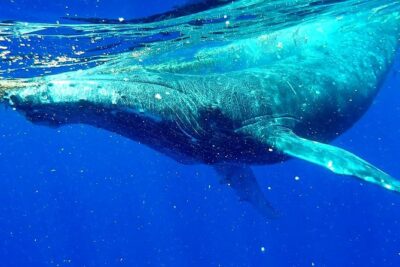
Humpback whale watching and marine life in Moorea
Read our review →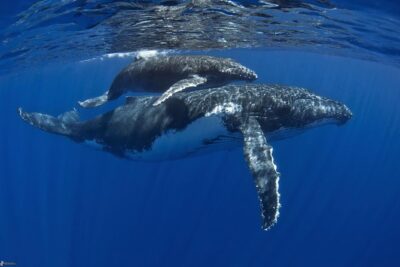
Private tour observing and swimming with humpback whales in Moorea
Read our review →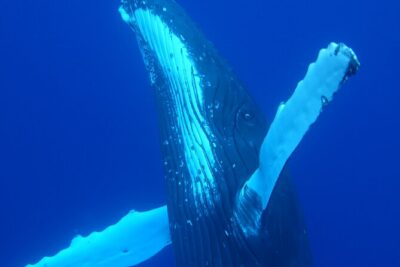
Browse the lists this tour appears in