
Reviewed · WHALE WATCHING
Whale watching on the preserved and quiet coast of Paea (Pk26)
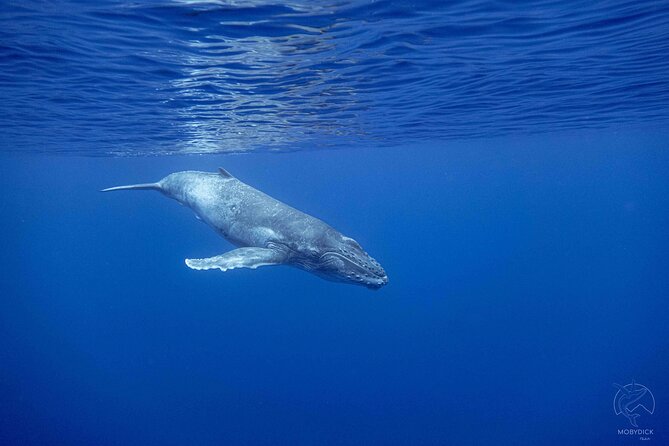
Seeing a humpback whale from a small boat is special. Entering the water while one moves below you is something else entirely, though it depends on the animals, the sea, and the guide’s safety call. This four-hour trip follows Tahiti’s quieter coast between Paea and Papara, away from the island’s busier visitor zones.
I like the small-group format and the careful approach rules. I also like the onboard listening system, which broadcasts male whale calls and gives you a better sense of the animals beyond a quick surface sighting. The main drawback is simple: whale sightings and swimming are never guaranteed, and the water can turn rough on the ride home.
Key points to know before booking
- Quiet west-coast setting: The boat explores the less-frequented waters between Paea and Papara.
- Three boat choices: Select a boat for six swimmers, a 12-swimmer maximum option, or a private boat for one to 12 people.
- Swimming requires real fitness: You must be able to swim at least 200 meters with fins, a mask, and a snorkel.
- DIREN rules guide every water entry: The guide can refuse swimming if conditions are not suitable.
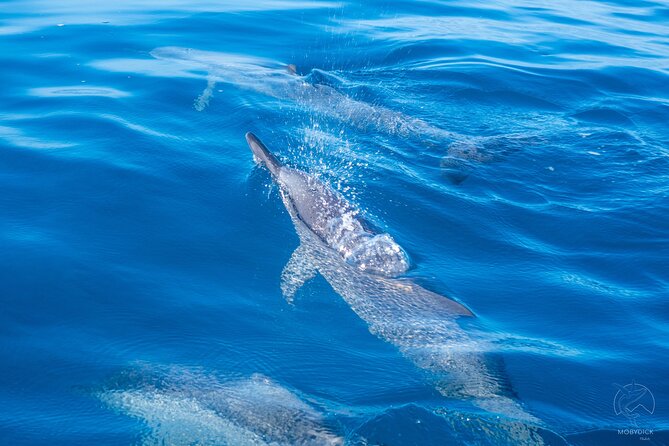
- Useful wildlife extras: You might also see dolphins, flying fish, or other marine life while searching for whales.
- Plan for a basic launch point: Boarding is immediate at PK 27, with no changing room or office and no hotel pickup.
Why Paea is a good place to search for whales
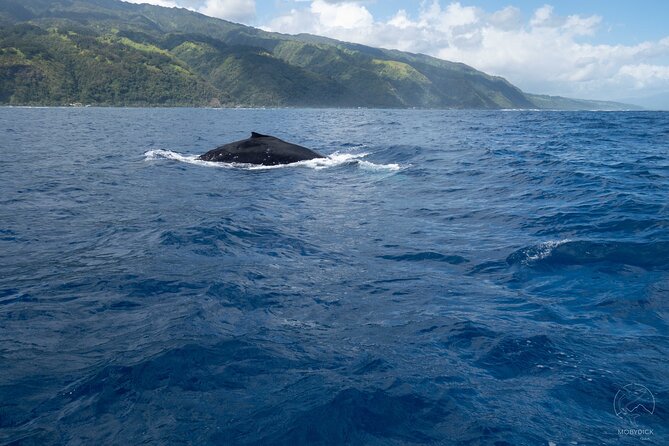
This trip uses the coast between Paea and Papara, a relatively quiet part of Tahiti. That matters because the experience is built around watching wild animals rather than following a fixed show schedule. You travel by boat, search for signs of whales, and adjust the plan to the sea and the animals.
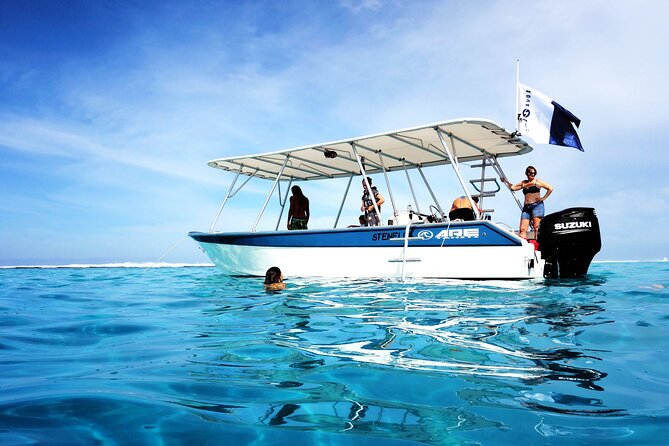
The setting also gives the outing a calmer feel than a crowded harbor-based excursion. You are not simply checking off a sighting from a large tour boat. The Stenella is a modern 28-foot boat with room for a maximum of 12 passengers, so the group stays fairly small even on the shared option.
The four-hour length gives the crew time to search. One account describes an hour passing before the first large whale appeared, followed by another hour before a mother and calf were spotted. That is useful context: you may spend a good part of the trip moving through open water and waiting between sightings.
Bring patience. A whale-watching trip is not a transfer from shore to a guaranteed viewing point. You may see a whale surface only briefly, then wait for it to return. That uncertainty is part of the experience, but it can test anyone expecting constant action.
More Whale Watching Tours in Tahiti
- Respectful whale excursion to Tahiti in 4h30
★ 4.5 · 123 reviews - Tahiti island: Whale watching Experience
★ 4.2 · 79 reviews - Guided Small Group Whale Watching and Swim Tour Tahiti
★ 5.0 · 57 reviews
Boarding the Stenella at PK 27
You meet at PK 27 in Paea, on the west coast of Tahiti. There is no pickup service, so you need to arrange your own way to the meeting point. Boarding is immediate, with no office and no changing room at the launch site.
That means you should arrive ready to go. Wear your swimwear under your clothes if you plan to enter the water, and carry only what you need on the boat. You will want sun protection and rain protection, since the weather can change quickly.
The meeting time is not necessarily the departure time. The crew needs to distribute equipment and give a briefing before leaving. One delayed departure caused confusion for a participant, but the operator explains that the stated time is for meeting, equipment, and safety instructions. Allow a little breathing room rather than planning another activity immediately afterward.
Confirmation is not automatic. Availability is checked after booking, with confirmation expected within 48 hours if space is available. Since the trip is often booked about 17 days ahead, I would not leave it until the last minute, especially if you have only a few days in Tahiti.
The boat options and what they mean
You have three ways to book the outing:
- A boat for up to six swimmers, with additional observers
- A boat for up to 12 swimmers, with rotation if more than six people want to enter the water
- A private boat for one to 12 passengers
The six-swimmer choice is the best fit if your main goal is a possible water entry. Fewer swimmers usually means less waiting when the guide permits people to enter. It also keeps the experience more personal.
The 12-swimmer option costs less, according to the tour description, but it may involve a rotation. If more than six passengers want to swim, not everyone enters at once. That does not make the boat a poor choice, but you should understand the tradeoff before choosing the budget option.
A private boat makes the most sense for a family group or friends who want control over the outing. The private option still allows no more than 12 passengers, and it does not remove the guide’s authority to refuse swimming. Private booking changes the group arrangement, not the behavior of the whales or the sea.
The boat itself is described as comfortable and spacious for its 28-foot size. Still, this is an open-water trip, not a large cruise boat. If you are prone to seasickness, speak with a pharmacist before departure. That advice is worth taking seriously, especially because the return ride can be rough.
Searching for humpback whales
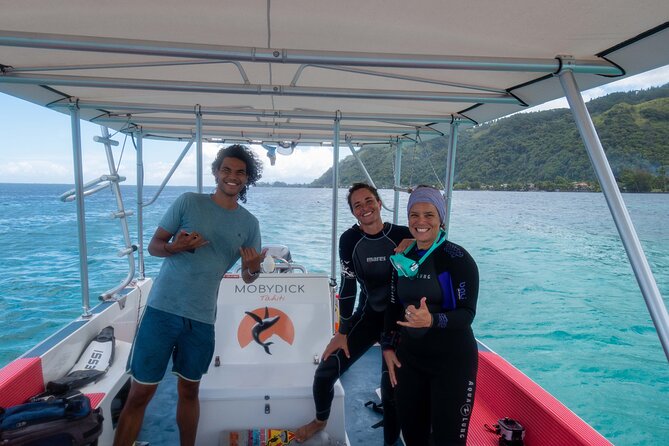
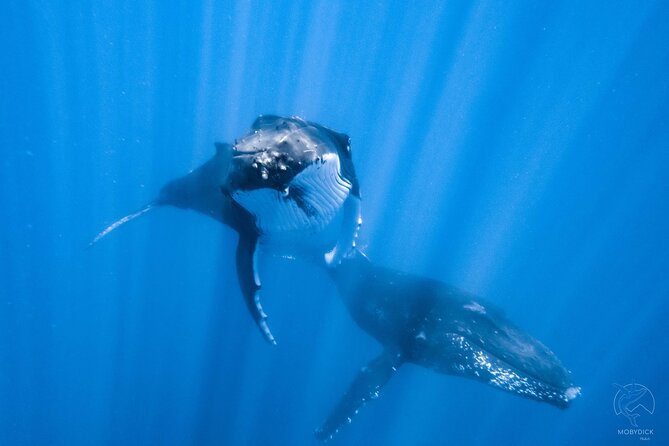
Once underway, the guides share information about humpback biology and help look for signs of activity. The crew may also use an onboard listening system to broadcast the calls of male whales. This adds an important layer to the trip. You are not relying only on a distant blow or a dark back at the surface. You get a sense of the sound and communication happening below the boat.
The search can produce more than whales. One outing included four humpbacks, two groups of dolphins, a grey shark, and flying fish. These sightings are not promised, but they show why keeping your eyes moving is worthwhile. Look across the water, not only at the spot where the guide is pointing.
The crew’s job is not just to find whales. The guide must decide how close the boat may come and if anyone can enter the water. The approach follows rules established by DIREN, French Polynesia’s Regional Directorate for the Environment. This protects the animals and helps keep the encounter from becoming a chase.
A respectful approach can feel slower than an aggressive one. That is a good thing. You want the whale to remain in control of the encounter. The crew may wait, reposition, or leave an animal alone if the conditions are not right.
Same water, a completely different kind of day:
- 5 Hours Tahiti Island Tour – West and East Coast
★ 5.0 · 1,020 reviews - Crossing Island of Tahiti 4×4 Mountain, Waterfall, River, Basins
★ 4.5 · 532 reviews - Découvrez le Mana durant la traversée de Tahiti en 4×4 Safari
★ 5.0 · 456 reviews - Unique Tahiti Tour – personalised, small group east coast tour
★ 4.5 · 314 reviews
The possible whale swim
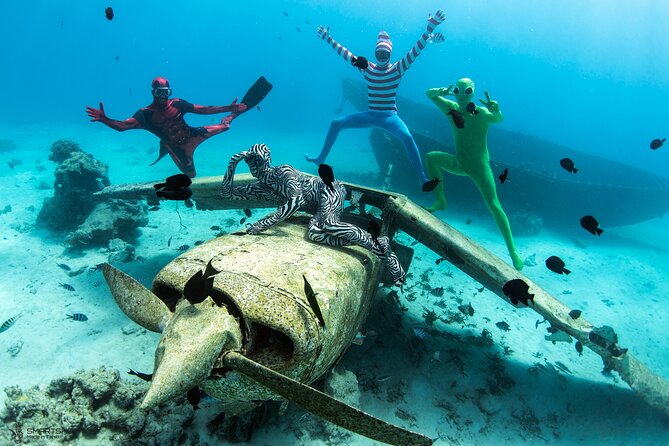
If the sea, the whales, and the group all meet the required conditions, the guide may authorize a water entry. This is the part many people have in mind when they book, but it is important to treat it as a possibility rather than the product’s promise.
You need to swim at least 200 meters with fins, a mask, and a snorkel. The requirement is not a minor formality. Open-water swimming around large animals demands stamina, calm movement, and the ability to follow directions. One account felt the fitness requirements were tougher than the advertising suggested, so take the 200-meter rule seriously.
Children under 10 cannot swim with the whales. The guide can also refuse swimming for safety or wildlife-protection reasons. You might spend the whole trip watching from the boat, even if whales are present.
That does not make the trip unsuccessful. A whale can surface close to the boat, disappear, and reappear somewhere else. One swimmer described seeing a whale submerge and emerge below them in deep water, without managing to take a photo because an underwater camera battery had died. That detail captures the nature of the experience: the moment may be more memorable than the picture, and it may happen too quickly for perfect photography.
If you do enter the water, listen closely to the guide. Do not treat the whale as a stationary attraction. Keep your movements controlled, use your equipment properly, and stay with the group. The operator’s permission to enter can be withdrawn at any time.
What the guides add to the day
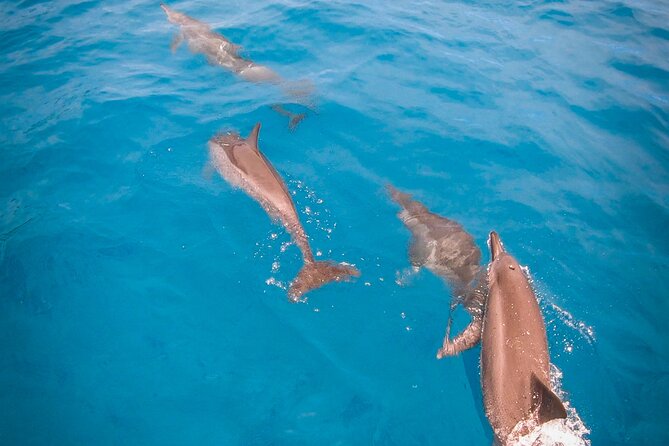
The guides are described as attentive and focused on keeping people safe. Isabel is specifically praised for handling rougher water on the return trip, while the guide on another outing helped position the group near the whales and made sure everyone was accounted for.
The crew’s value is easy to underestimate. A good whale trip is not only about spotting an animal. It is also about knowing when to wait, when to move, and when not to enter the water. The crew’s judgment shapes the quality of the experience as much as the number of whales seen.
Language may deserve a quick check before booking. One participant found the outing to be in French, while the operator responded that briefings are normally given in English when English-speaking passengers are present. If clear English instruction is important to you, confirm this directly before your date.
Weather, comfort, and what to pack
Tahiti’s weather can change fast. Pack protection for both strong sun and rain, even if the morning looks perfect. A hat, sunscreen, a light rain layer, and a dry bag for valuables are sensible choices.
Snorkeling gear is provided if you do not have your own. You still need to be comfortable using fins, a mask, and a snorkel if you plan to enter the water. If you have your own equipment that fits well, bringing it may help you feel more at ease, but the supplied gear covers the basic need.
Seasickness is the main comfort concern. The boat is modern and described as spacious, but open water is open water. Ask a pharmacist about suitable precautions if you know you react badly to boat movement.
The trip returns to the original meeting point in Paea. Since there is no changing room, plan your clothing and post-trip arrangements in advance. You may finish wet, salty, or tired, especially after a rough ride or a water entry.
Is the $205.27 price good value?
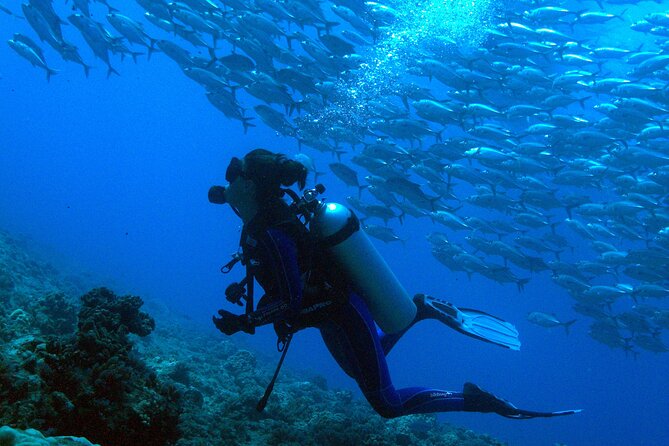
At $205.27 per person, this is not a cheap sightseeing cruise. The price is easier to justify if you want a small-boat wildlife experience with the possibility of entering the water, rather than a simple whale-viewing ride.
You are paying for roughly four hours on the water, a small maximum group, specialist guiding, safety oversight, snorkeling equipment if needed, and the chance to see other marine life. You are not paying for a guaranteed whale encounter or a guaranteed swim. That distinction is central to the value.
The six-swimmer option offers the strongest value for someone focused on swimming. The 12-swimmer option may suit a tighter budget, but rotation can reduce your time in the water. A private boat costs more in total, yet it can make sense when divided among a group of up to 12 people who want their own arrangement.
I would compare this price with your expectations. If a whale sighting is essential to your holiday plans, no operator can remove the risk of disappointment. If you value a responsible search, a quiet coast, and a possible encounter with wild humpbacks, the cost is more reasonable.
Who should book this experience?
I would choose this trip if you are comfortable with uncertainty and want a wildlife outing that follows the animals’ behavior. It suits adults and older children who can handle a small open boat, changing weather, and a potentially long search.
Strong swimmers will get the most from the water-entry option. You should be able to swim 200 meters with fins, a mask, and a snorkel without treating the requirement as a challenge to overcome on the day.
It may not suit you if you need guaranteed sightings, dislike rough water, or want a polished facility with changing rooms and hotel transport. It is also not the right choice for children under 10 who hope to swim with the whales.
The tour is recommended by 95 percent of its published customers and has a 4.8 rating from 40 reviews. Those figures suggest a consistently positive experience, but the lower ratings point to the real issues: departure timing can feel unclear, the swim requires more fitness than some people expect, and language should be confirmed if you do not speak French.
Should you book the Paea whale trip?
Book it if you want a serious chance to see humpbacks from a small boat and you accept that nature sets the schedule. Choose the six-swimmer option if water entry is your priority, or the private boat if you are sharing with a group and want more control over the arrangement.
Skip it if you need a guaranteed swim, cannot manage 200 meters with snorkeling gear, or are likely to be miserable in rough seas. For the right person, the best moment may be brief: a whale below the surface, a call carried through the boat, or a mother and calf appearing after a long wait. That is exactly why the experience can stay with you.
FAQ
Where does the whale-watching trip begin?
The meeting point is at PK 27 in Paea, French Polynesia. The activity ends back at the same meeting point.
How long does the experience last?
The trip lasts approximately four hours.
Is hotel pickup included?
No. The operator does not provide pickup service, so you must make your own way to PK 27 in Paea.
Is whale watching guaranteed?
No. Humpback whales are wild and unpredictable, so sightings are not guaranteed.
Is swimming with the whales guaranteed?
No. The guide authorizes water entry only when the whales, sea, weather, and safety conditions are suitable.
How fit must I be to enter the water?
You must be able to swim at least 200 meters while wearing fins, a mask, and a snorkel.
Can children swim with the whales?
Children under 10 years old are not allowed to swim with the whales.
How many people can join the boat?
The activity has a maximum of 12 travelers. You can choose a boat for six swimmers, a boat for up to 12 swimmers, or a private boat for one to 12 passengers.
Is snorkeling equipment provided?
Yes. Snorkeling equipment is provided if you do not have your own.
What happens if the weather is poor?
If poor weather causes the trip to be canceled, you will be offered another date or a full refund.
Just added around Tahiti
- Small group snorkeling (5 people max): wrecks & tropical fishes at 3:30pm★ 5.0 · 7 reviews
- Whale Watching Activity★ 5.0 · 8 reviews
- Taxi Boat to Watch the Teahupoo International Surfing Competition★ 4.5 · 13 reviews
- Teahupoo Olympic Wave Journey★ 5.0 · 6 reviews
- Wholesale Fishing in Poti Marara at Tahiti Teahupoo Peninsula★ 5.0 · 4 reviews
- Tahiti Full Day Private Coastal Tour★ 5.0 · 16 reviews
- SURF TAHITI Bites & Waves – Surf experience with every bite★ 5.0 · 7 reviews
- Sunset sailing trip on the Lagoon of Tahiti★ 5.0 · 5 reviews
Whale Watching, compared.
Swimming with Whales in Moorea (Half Day tour)
Read our review →
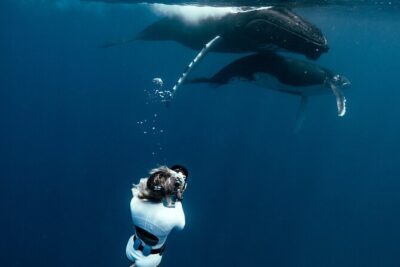
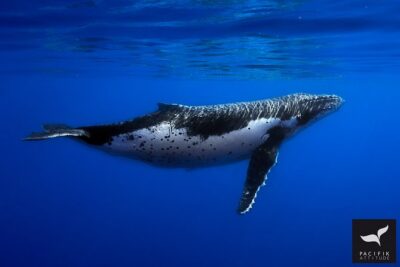
Humpback whale watching and marine life in Moorea
Read our review →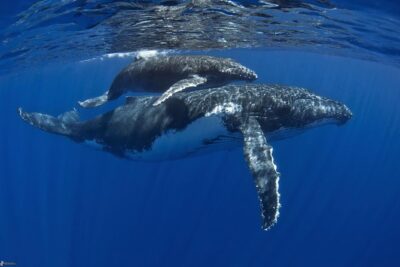
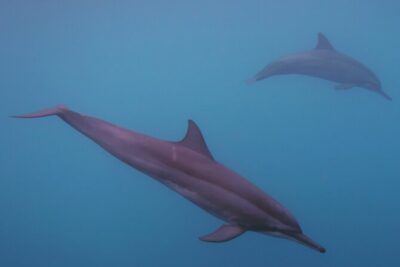
Private tour observing and swimming with humpback whales in Moorea
Read our review →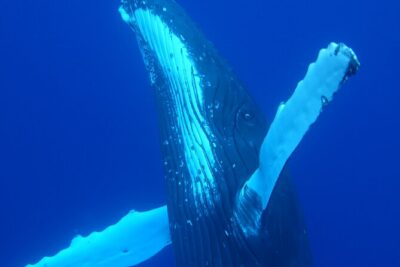
Browse the lists this tour appears in