
Reviewed · SCUBA DIVING
Diving initiation
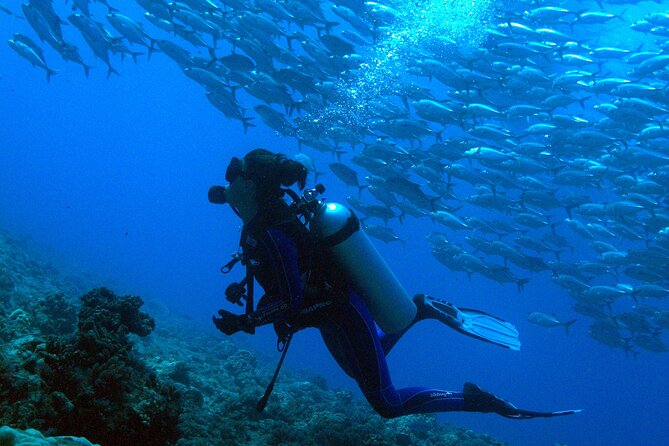
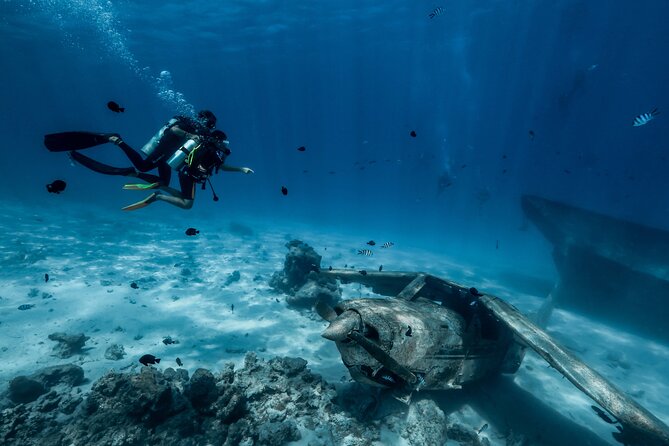
Tahiti’s warm tropical water makes a fine classroom for your first scuba lesson. In about two hours, you’ll learn the basics, get comfortable with the equipment, and spend time underwater among fish, coral, wrecks, and even a manmade reef made from a sunken plane.
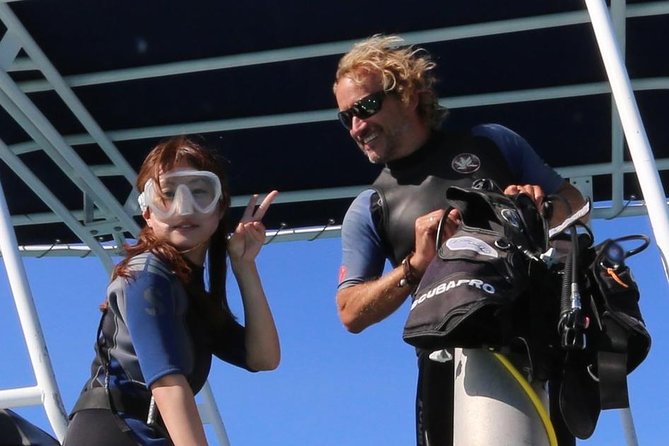
I like the tiny group size, capped at two people, and the chance to receive close attention instead of being one face in a large class. I also like that this is open to children from age five, making it a useful family option.
The main caution is simple: your comfort may depend heavily on the instructor. Most of the experience has earned strong praise, but one guest felt rushed through the explanation and had trouble with the equipment. Make sure you understand the safety talk before entering the water.
Key points to know before booking
- Two-person maximum: The small format gives you a better chance to ask questions and get patient help.
- First-timer friendly: No previous scuba experience is required, and the lesson is aimed at beginners.
- Underwater sights: Expect colorful fish and coral, with the possibility of seeing a wreck or sunken plane used as a manmade reef.
- Family access: Children age five and older can take part.
- Useful timing: The activity starts at 10:30 am and lasts about two hours.
- Strong overall record: The experience is rated 4.8 out of 5, with 96 percent recommending it, though instructor communication is worth checking carefully.
A gentle first step into Tahiti’s underwater world
This is not a full certification course. Think of it as a first taste of scuba, often called a baptism or initiation lesson. You learn how the equipment works, how to stay safe, and how it feels to breathe underwater before moving toward the first levels of certification.
That distinction matters. If you have always wondered what scuba feels like but are not ready to commit to a multi-day course, this session gives you a sensible trial. You get the strange, weightless sensation of moving underwater without signing up for a large time commitment.
The setting adds plenty of appeal. Tahiti is known for its warm tropical water, and the lesson places you close to fish, coral, wrecks, and a manmade reef. You are not simply practicing in a featureless pool. The scenery gives you something to focus on once the first nerves settle.
I would still treat the session as a real lesson, not a casual swim with an air tank. Breathing through a regulator, controlling your body position, and staying calm underwater all take attention. The right instructor makes these first minutes much easier.
More Diving Trips in Tahiti:
- Diving day
★ 5.0 · 45 reviews - Double Diving Adventure Exploration for Certified Divers
★ 5.0 · 8 reviews - Baptism diving in the turquoise waters of Tahiti
★ 5.0 · 8 reviews
What happens at the 10:30 am meeting point
The meeting point is at C97P+J5J in Puna’auia, French Polynesia. The activity begins at 10:30 am and returns to the same general meeting point when finished.
The schedule is short enough to fit neatly into a morning plan, but you should allow extra time around it if you have another booking afterward. Scuba activities need room for check-in, equipment preparation, instruction, and getting in and out of the water.
The provider is Eleuthera Tahiti Diving Center. Communication and transport have been praised, including one case in which Naia kept a guest updated about transportation and Nicolas collected the guest near a cruise ship pier before driving to the marina. Another guest received free pickup and return to a hotel. Since the supplied details do not promise pickup for every booking, confirm the arrangement before you rely on it.
The site is near public transportation, which helps if you are not renting a car. Still, the exact meeting point matters in Puna’auia, so save the location and check your route before the morning begins.
The first lesson: equipment, breathing, and safety
Your instructor should begin by explaining the basic gear and the rules for using it. The available information does not give a minute-by-minute lesson plan, so the precise order may vary, but expect an introduction to safe underwater movement before the water portion begins.
This is the part where you should speak up. Tell the instructor if the mask feels wrong, if the mouthpiece is uncomfortable, or if you are nervous about breathing through the regulator. A small group means you have a good chance of getting individual help, and it is far better to solve a concern on land than after you enter the water.
Equipment quality has been a strong point. One guest specifically praised the clean, ready-to-use gear, along with the communication and transport. That matters for a first session because unfamiliar equipment can make the experience feel harder than it needs to be.
There is one important warning from the feedback. A guest felt the pre-water explanation was too brief and did not feel prepared. The provider responded by apologizing and saying safety, comfort, and personal guidance are priorities. I would use that as practical advice: do not nod along if you are unsure. Ask for the explanation again, especially for clearing your ears, adjusting your position, and responding if you feel uncomfortable.
Practicing in the water with a two-person cap
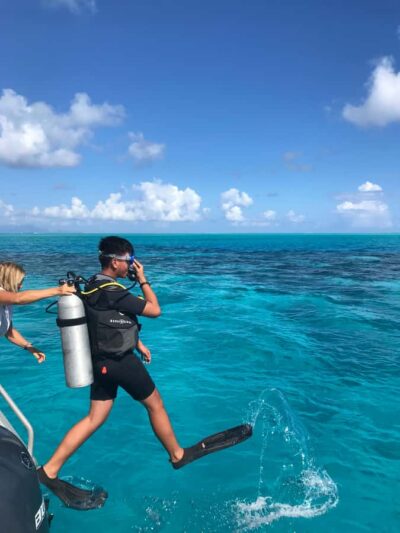
Once the basic briefing is complete, you will enter the water with the instructor. The small-group limit is one of the best features here. With no more than two participants, the instructor can watch your movements closely and give you help without managing a crowd.
For a beginner, that attention has real value. You may need a few tries to find a comfortable breathing rhythm or to understand how small body movements affect your position. The goal is not speed. It is learning to remain calm and controlled.
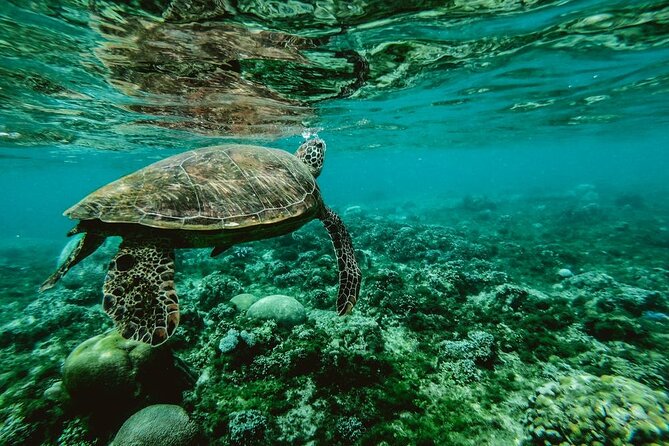
The description presents the feeling as weightlessness, and that is the central appeal of the session. You move through the water rather than across it, with fish passing nearby and coral below. Even a short lesson can give you a clear sense of why people become attached to scuba.
The experience is also designed to be accessible to beginners from age five. That does not mean every five-year-old will react the same way to a mask or regulator. Parents should consider a child’s comfort with water and unfamiliar equipment, then use the small group setting to ask questions before booking.
A few more Tahiti half days to weigh up
- 5 Hours Tahiti Island Tour – West and East Coast
★ 5.0 · 1,020 reviews - Crossing Island of Tahiti 4×4 Mountain, Waterfall, River, Basins
★ 4.5 · 532 reviews - Découvrez le Mana durant la traversée de Tahiti en 4×4 Safari
★ 5.0 · 456 reviews - Unique Tahiti Tour – personalised, small group east coast tour
★ 4.5 · 314 reviews
Fish, coral, wrecks, and a sunken plane
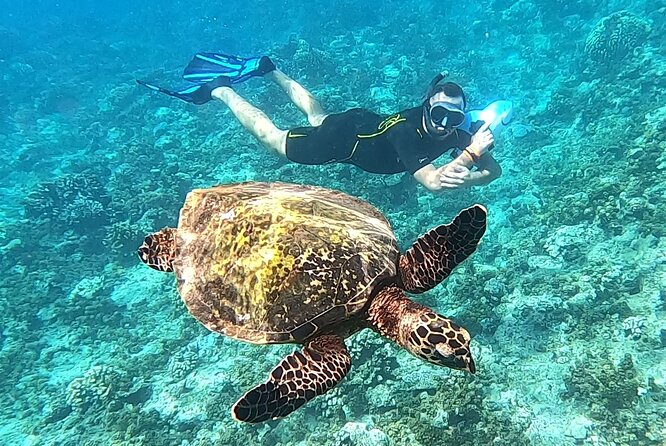
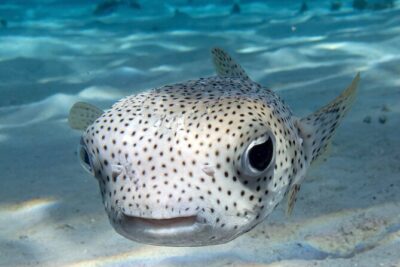
The underwater scenery gives the lesson more character than a basic equipment drill. You may see colorful fish and coral at close range, and the route can include wrecks. One particularly unusual feature described in the experience is a manmade reef formed from a sunken wreck and plane.
That kind of setting gives you simple points of interest as you learn. Instead of trying to understand every fish, you can focus on moving calmly while looking at the artificial structure and marine life around it. The scene also gives the instructor natural moments to pause and help you adjust.
Keep your expectations measured. The available information does not promise a specific animal, exact reef, or guaranteed sighting. Marine conditions can affect what you see. The reliable promise is that the lesson takes place in Tahiti’s tropical underwater environment, with fish and coral as the main attraction.
I like that the scenery is part of the lesson rather than a separate add-on. You get a practical skill and a memorable view at the same time. If you are already a certified scuba user, though, this probably will not offer enough technical depth. It is built for the first experience, not advanced exploration.
How the instructor affects the experience
The instructor is the most important variable. Several details point to strong personal service. One guest described the instructor as friendly, clear, and careful about comfort underwater. Another said the instructor explained the process thoroughly and made a first scuba lesson feel easy and enjoyable.
Those qualities matter more than fancy equipment. A good instructor watches your face and body language, checks that you are comfortable, and explains a step again without making you feel foolish. That is especially important for children and adults who feel uneasy about breathing underwater.
The mixed feedback deserves attention, too. One guest felt the preparation was not detailed enough and had difficulty getting the equipment to work as expected. The provider followed up directly with an apology and said it had discussed the matter with the instructor.
My advice is to be an active participant. Ask what will happen before you enter the water. Confirm how to signal that you need help. If the equipment does not feel right, stop and say so. A two-hour lesson should leave room for questions, and your safety matters more than keeping to a rigid schedule.
Is $162.08 a fair price?
At $162.08 per person, this is not a cheap swim lesson. But you are paying for a specialized introduction to scuba in Tahiti, equipment, instruction, and access to a small group capped at two people.
The price makes more sense if you value personal attention. A large class might cost less, but you could spend more time waiting for the instructor or watching someone else practice. Here, the format is closer to a private or semi-private introduction.
Transport may also add value in some cases. The available experience details include pickup near a cruise ship pier and free hotel pickup and return for individual bookings. Since those arrangements may depend on the booking, confirm exactly what is included rather than assuming a transfer comes with every reservation.
I would consider the price reasonable for a first scuba experience if the underwater lesson is something you have wanted to try for years. It is less compelling if you are mainly looking for a low-cost water activity or if you already hold a scuba certification.
Who should book this Tahiti lesson?
This experience fits adults who want a gentle introduction without taking a full course. It also suits families with children age five and older, provided the child is comfortable following instructions and wearing unfamiliar equipment.
It is a good match for cruise passengers and visitors staying in Puna’auia, especially if transport can be arranged. The 10:30 am start leaves part of the day open, though I would avoid scheduling another activity too tightly afterward.
You should also book it if personal instruction matters to you. The two-person limit is a major advantage for anyone who wants time to ask questions or needs a slower pace.
I would look elsewhere if you want a long underwater session, advanced training, or guaranteed access to a particular site. This is a first lesson, not a full certification program or a technical outing.
Practical details that matter
Confirmation is provided when you book, and the activity uses a mobile ticket. Service animals are allowed, and the meeting point is near public transportation.
Most people can participate according to the supplied information, but scuba still demands that you communicate clearly with the instructor about your comfort and equipment. The age policy begins at five, and the group maximum is two participants.
You can cancel for a full refund up to 24 hours before the local start time. Cancellations or changes made less than 24 hours in advance are not accepted for a refund, so keep the 10:30 am appointment in mind when planning your day.
Should you book it?
I would book this lesson if you want a personal, beginner-level introduction to scuba in a memorable Tahiti setting. The small group, clean equipment, helpful transport experiences, and underwater sights make $162.08 easier to justify than a standard group lesson.
Before paying, confirm the pickup details and ask how the safety briefing will be handled. If you need patient instruction, say so clearly at the start. For a first underwater experience, the right preparation can make the difference between a thrilling new skill and an uncomfortable morning.
FAQ
Where does the activity start?
It starts at C97P+J5J in Puna’auia, French Polynesia, at 10:30 am. The activity ends back at the meeting point.
How long does the lesson last?
The session lasts approximately two hours.
Is previous scuba experience required?
No. The lesson is designed for complete beginners who want an introduction to scuba and basic safety.
What is the maximum group size?
The activity has a maximum of two participants.
Can children take part?
Yes. The experience is listed as suitable for children from age five.
Can I cancel for a full refund?
Yes. You can cancel at least 24 hours before the local start time for a full refund. Changes or cancellations made less than 24 hours before the start are not accepted for a refund.
Just added around Tahiti
- Small group snorkeling (5 people max): wrecks & tropical fishes at 3:30pm★ 5.0 · 7 reviews
- Whale Watching Activity★ 5.0 · 8 reviews
- Taxi Boat to Watch the Teahupoo International Surfing Competition★ 4.5 · 13 reviews
- Teahupoo Olympic Wave Journey★ 5.0 · 6 reviews
- Wholesale Fishing in Poti Marara at Tahiti Teahupoo Peninsula★ 5.0 · 4 reviews
- Tahiti Full Day Private Coastal Tour★ 5.0 · 16 reviews
- SURF TAHITI Bites & Waves – Surf experience with every bite★ 5.0 · 7 reviews
- Sunset sailing trip on the Lagoon of Tahiti★ 5.0 · 5 reviews
Scuba Diving, compared.
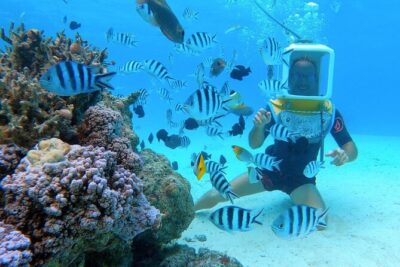
Aqua Safari Introductory Helmet Dive (Underwater Walk)
Read our review →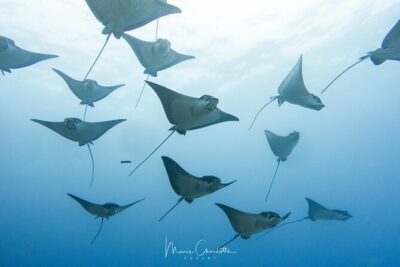
2 Dives in the morning for certified divers in Bora Bora
Read our review →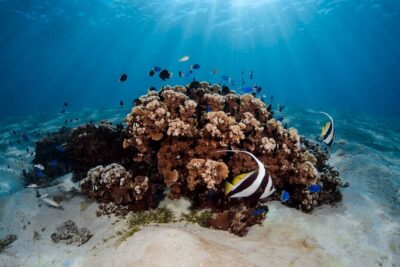
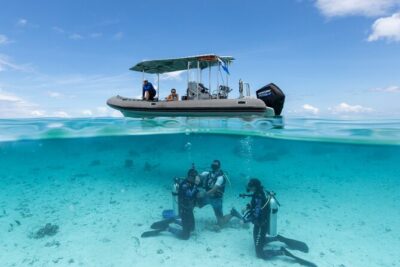
Romantic dive in the lagoon of Bora Bora. Private instructor on a shared boat
Read our review →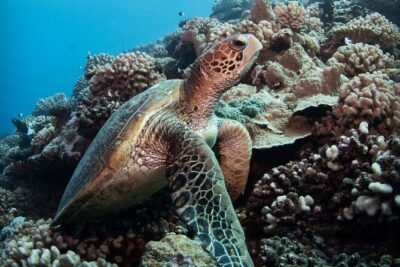
1 Afternoon Dive for Certified Divers in Bora Bora
Read our review →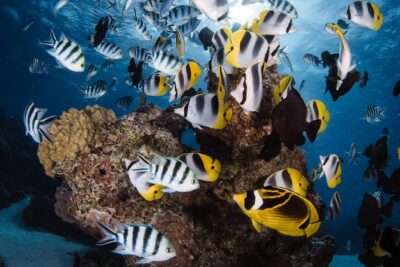
Romantic Dive for beginners in Bora Bora (2 people) with Video
Read our review →Browse the lists this tour appears in